
Vignettes on My Body
I.
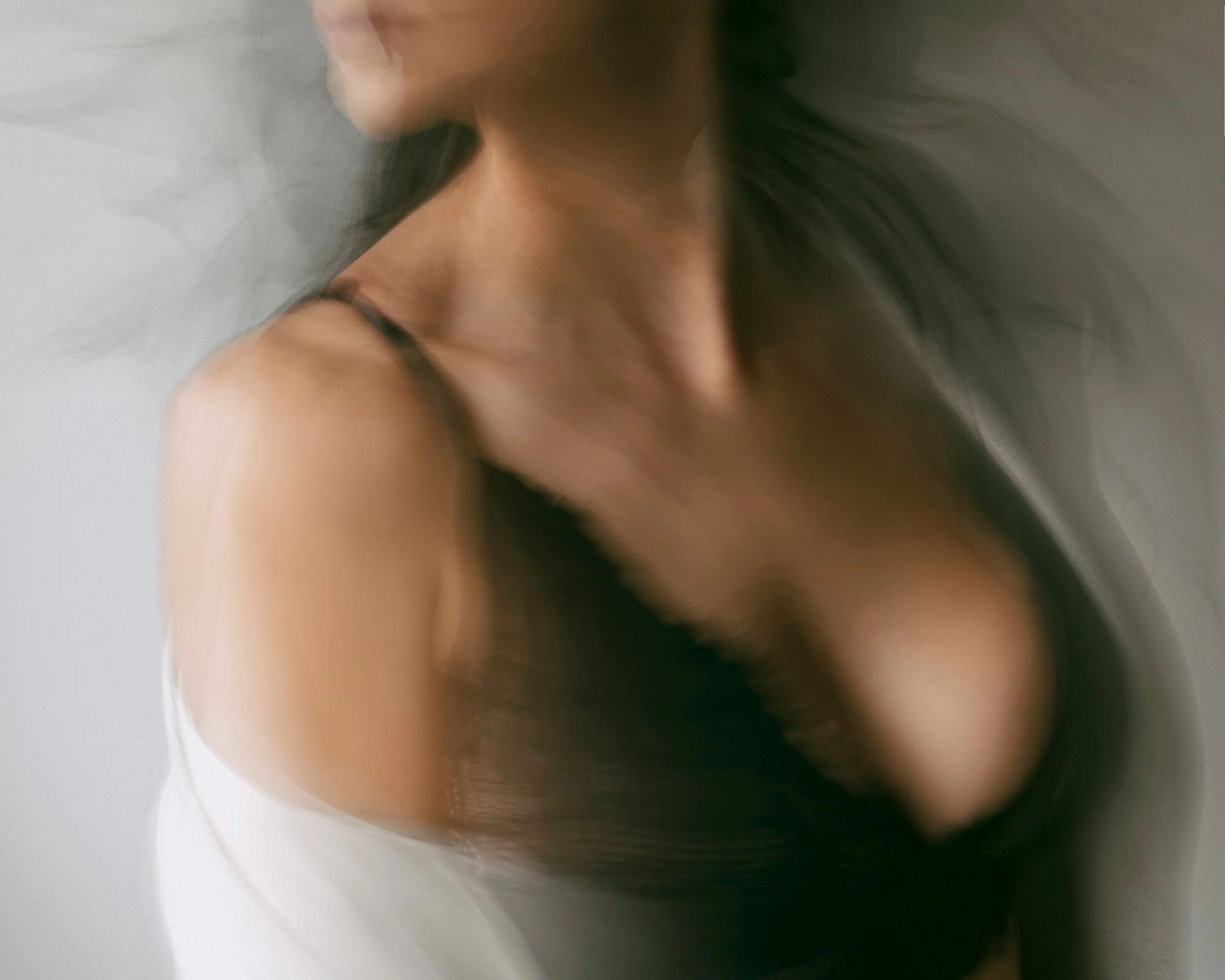
Just before the diagnosis, we are on Kaua‘i for a short trip. I book a massage at the hotel, and as the therapist begins working on my arms, nearing my shoulders, then my left armpit, I surprise both of us as quietly I begin to cry. I’ve never cried in a massage. But I can’t seem to stop the tears from running down the side of my face. She tells me, gently, that this is a natural reaction. Perhaps the body has something it needs to release. A few days later, back at home, I had my biopsy. Shortly after, I learned I have breast cancer. The cancer just so happens to be on the same side of my body that triggered the tears.
II.
I’m lying on the cold, hard surface of the radiation table, watching the arm of the machine orbit above me, its motor whirring white noise. I try to pretend I’m in a spaceship, transporting myself away from here. The treatment room is cold, in a way I imagine space to be. I close my eyes and imagine being swallowed by darkness, but as the technician's heavy footsteps approach me, goosebumps freckle my arms and legs.
He pulls aside my scratchy robe. I drum my fingers on the side of the table, trying to tether myself to something tangible. He drags my body up, down, left, and right, adjusting me and my exposed breast. I wonder how many technicians, doctors, nurses, and physical therapists have handled my body. It’s been six months since the diagnosis, but surely there must be dozens. I’ve reached a point where I’ve detached from my own body. In a way, I’m hovering in outer space, alien to what’s happening on Earth.
III.
At a six-month check-in with my oncologist, she hands me a robe and then pulls the privacy curtain between us, letting me know I can change. I jokingly say across the partition, “I don’t need a robe or a curtain anymore. Heck, go ahead and leave the window shades up!” Together, we laugh because there’s some truth in the fact that she’s seen my breasts so many times I no longer need to feel ashamed.
What does it mean to feel a lack of ownership over what was once a part of me that most people had never seen?
I can’t help but feel like these breasts belong to the charts; to the hospital systems; to science. To the countless machines that have scanned me, head to toe. To the sterile, gloved hands that have examined and discussed my body at length.
At what point will my body feel like my body again?
IV.
For the first time in three and a half years, my body starts to feel familiar again. I’m on a break from hormone suppression, and with the return of my cycle, restful sleep has come with a heightened awareness of being in my body.
I don’t think I realized how much of a veil the medication was—how, in a way, it clouded my vision and dampened my senses. I’m off the meds to conceive, but part of me wants to revel in the luxury of not being tied to the daily routine of taking that little yet powerful pill. Of needing to take a jacket instead of a fan to the movie theatre. Not feeling creaky or rusty every time I stand up after sitting for a while.
Cancer has a way of making you appreciate the normalcy of your body before the diagnosis. All these simple things my body can now do, once again, feel like a miracle.
V.
My mother and I are in the sauna. For centuries, Korean women have come to bathhouses to soak, steam, and scrub away their pains and worries. Our feet are tired from walking, but here, in the comfort of this warm room, we sigh audibly with relief. We place cool towels over our eyes and foreheads. We talk about what we’re going to eat for dinner, because we’re always talking about what meal we’re eating next.
Through the steam, I see my mother’s faded scars.
She, too, has had breast cancer. And so has her mother, my halmoni, who passed away from metastasis years ago. I used to wish my scars away, applying serums and creams to erase the cancer from my history. But after a while, I stopped trying.
Maybe part of me realized that these scars are visual representations of the throughline in my family’s history — not so much a trace of the cancer we shared, but a symbol of the strength and resilience passed down with it.🌿
Anj Oto
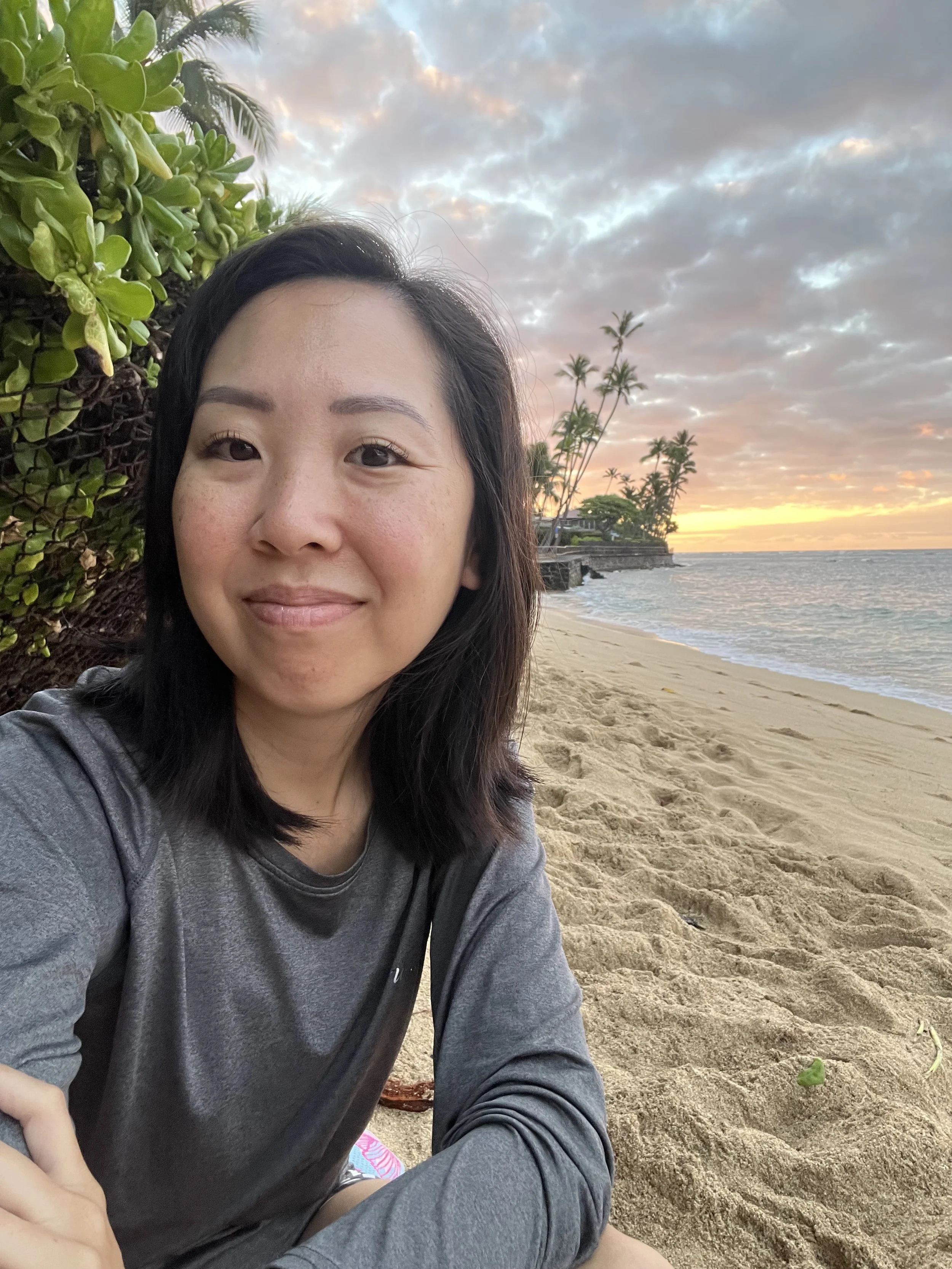
Storyteller, advocate, dog mom, wife. Diagnosed at 33. IDC, Stage I, ER+, HER2+.
Anj is a third-generation Asian American breast cancer survivor from Honolulu, Hawai'i. Since her diagnosis, she has used her communications career and passion for storytelling to advocate for early detection and health equity, especially among BIPOC communities.
“Vignettes on My Body” is published in Wildfire Journal’s 2026 “Body” issue. Order a digital copy of the full issue in our shop. Available in the subscribers’ library as well.