
Wildfire is the only literary publication and writing community for and by the ones “too young” for breast cancer.
Bridging the gap between diagnosis and “who am I now?” with the power of storytelling.

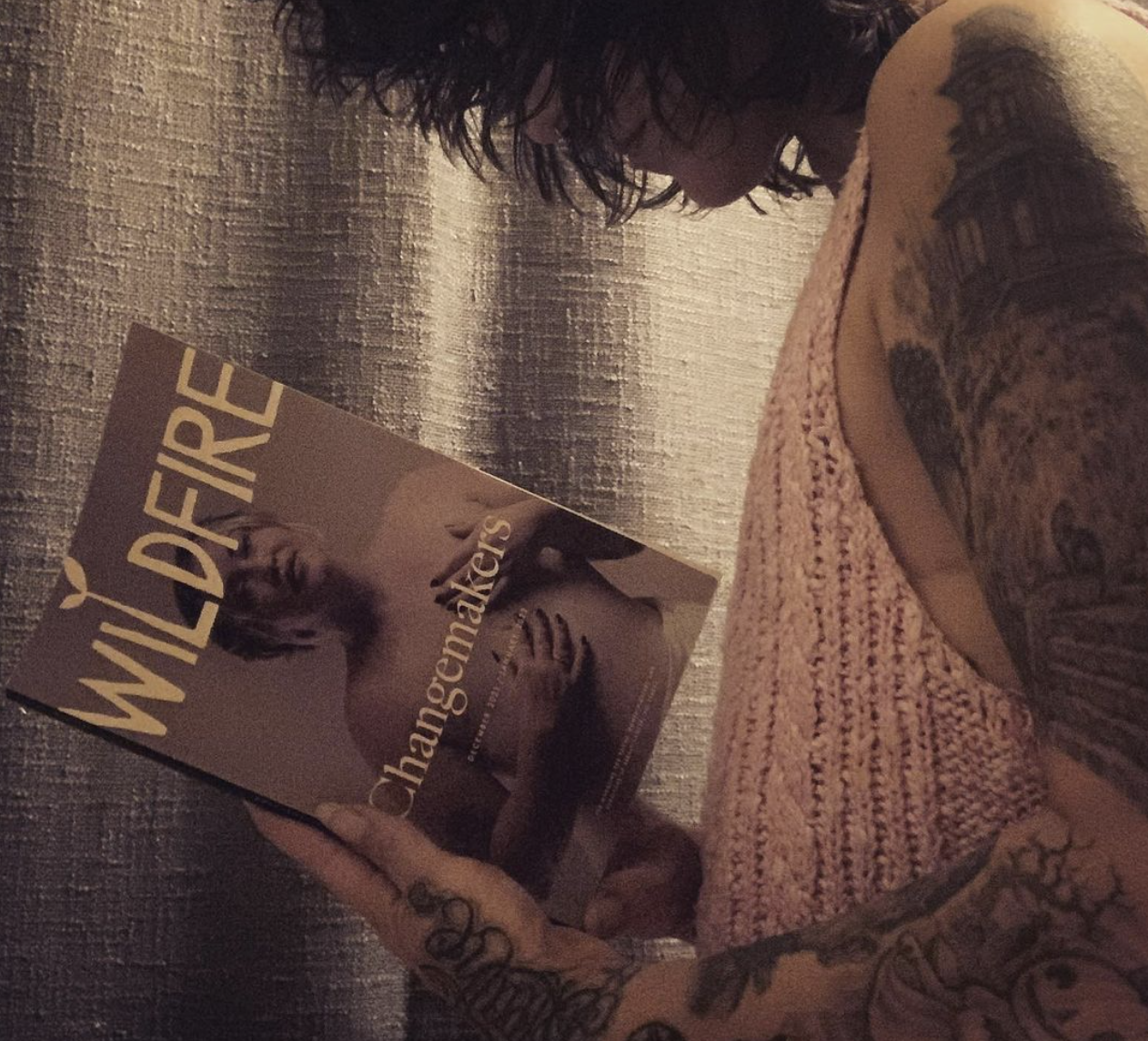
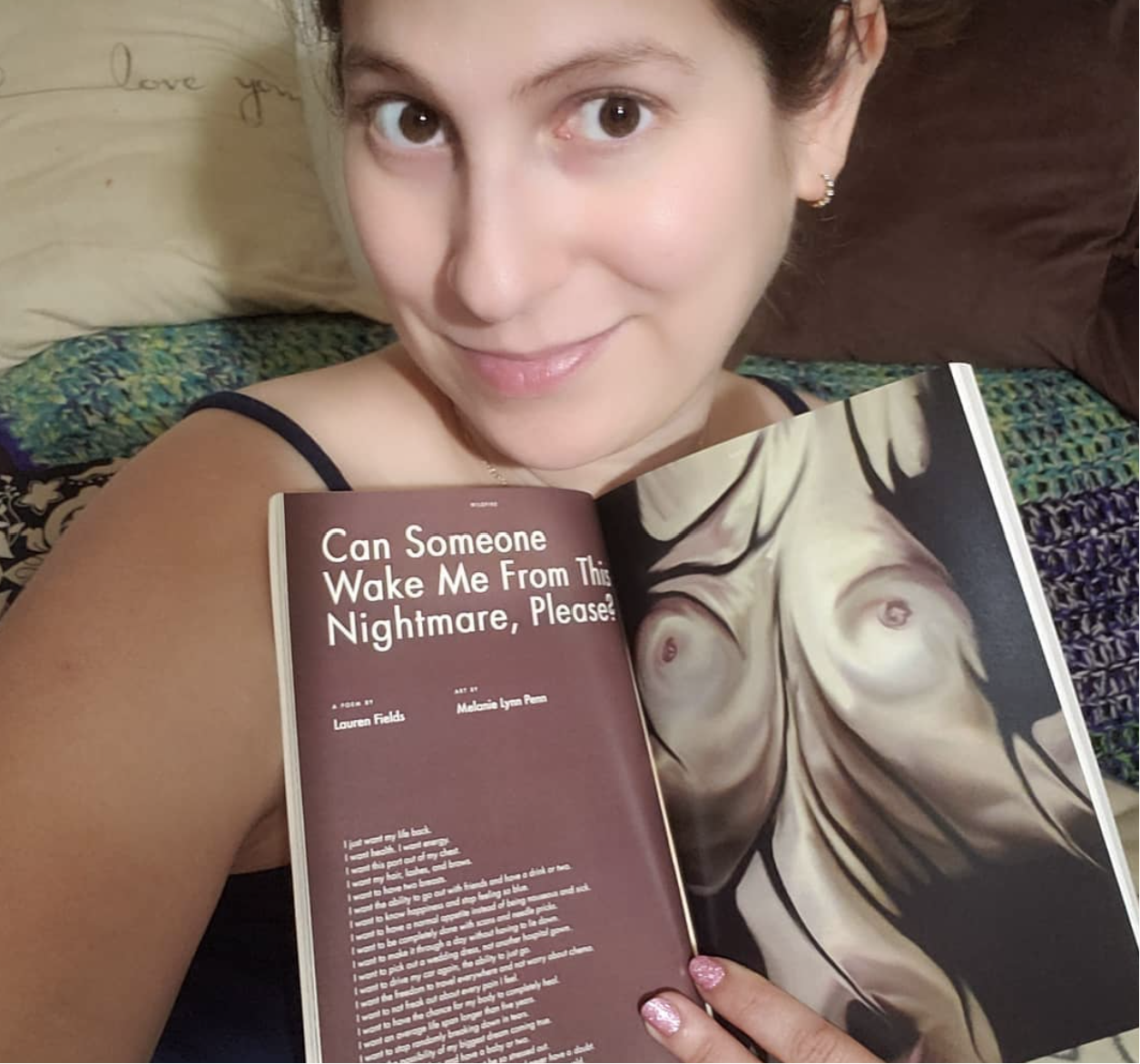
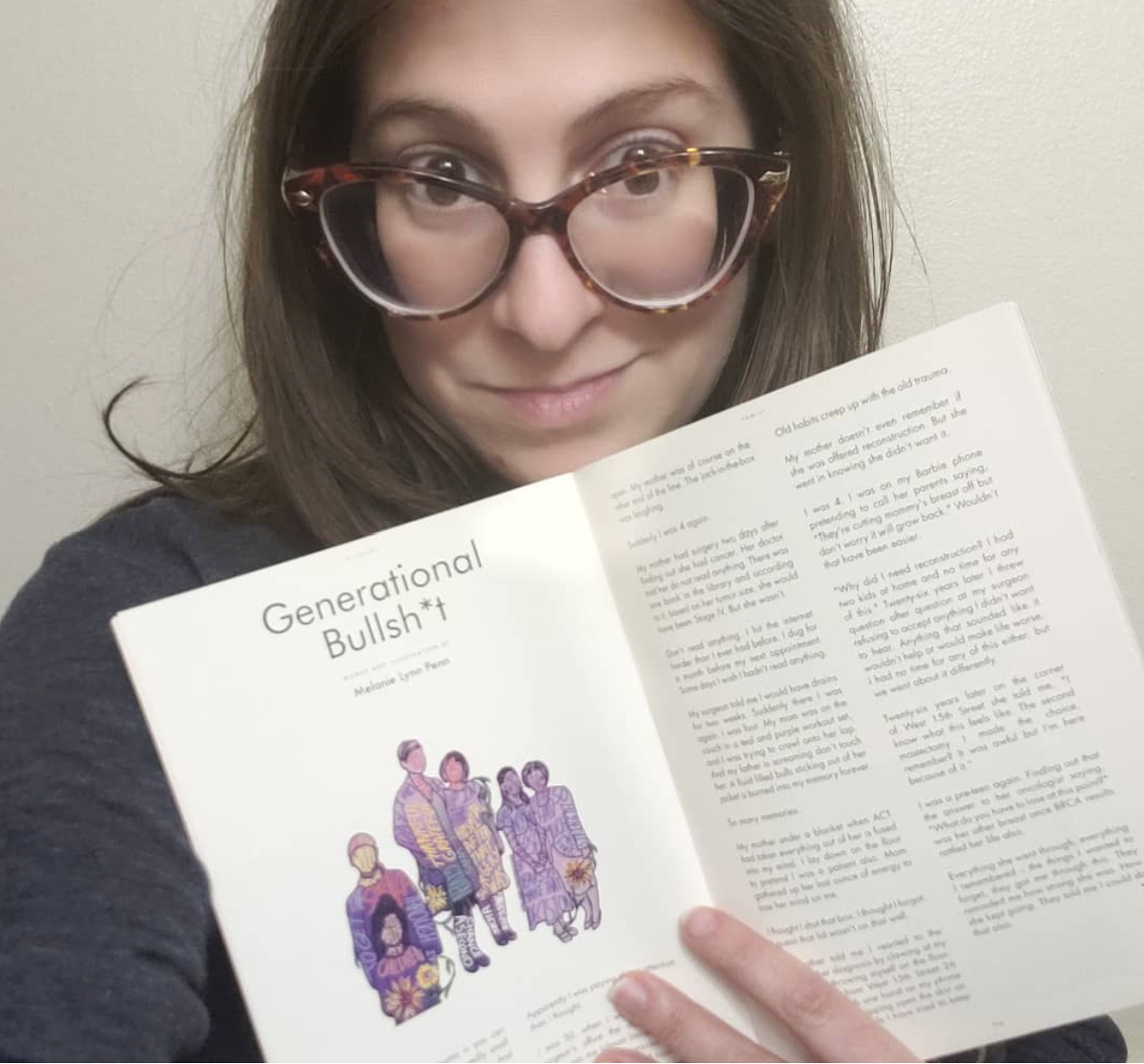
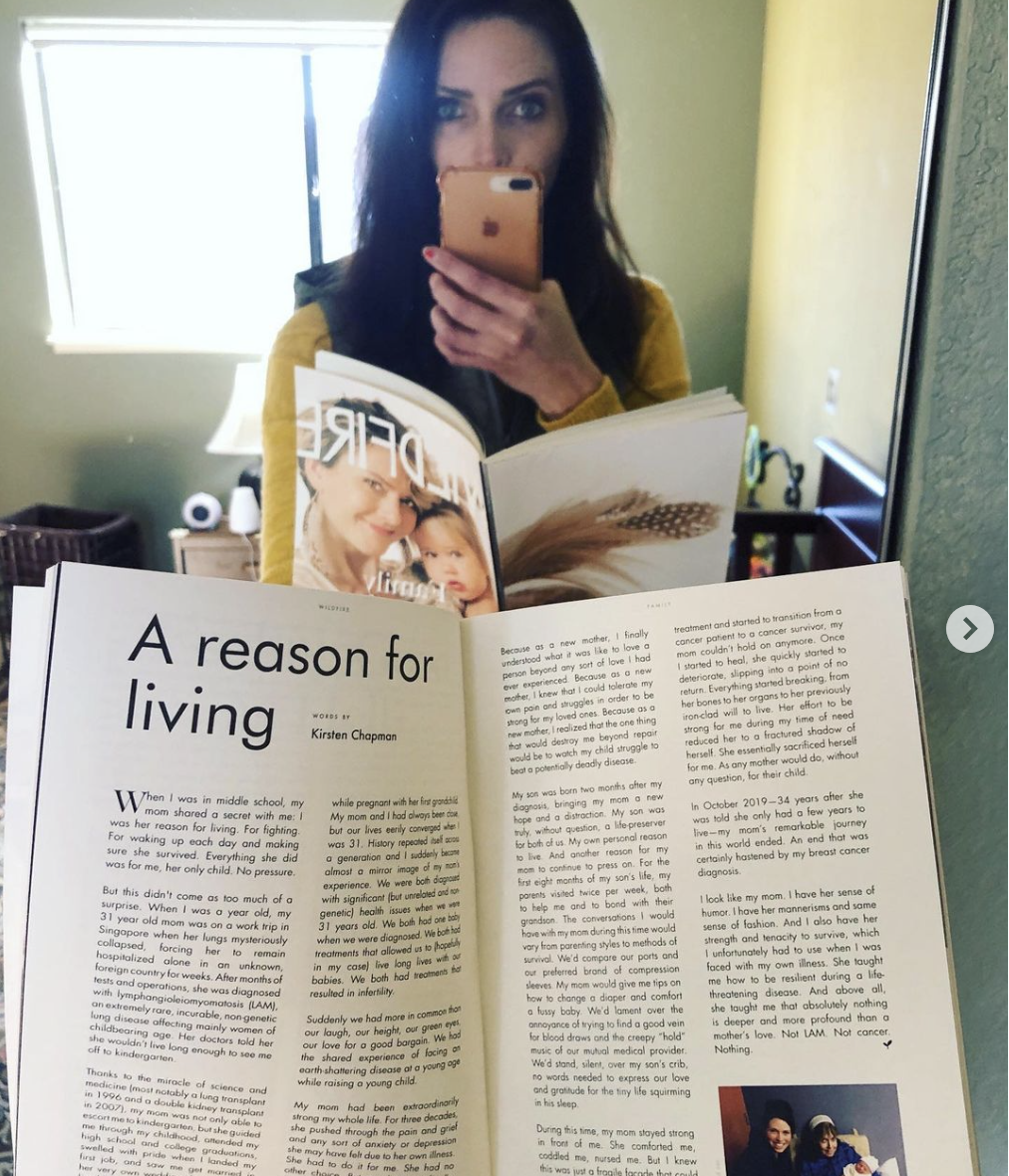
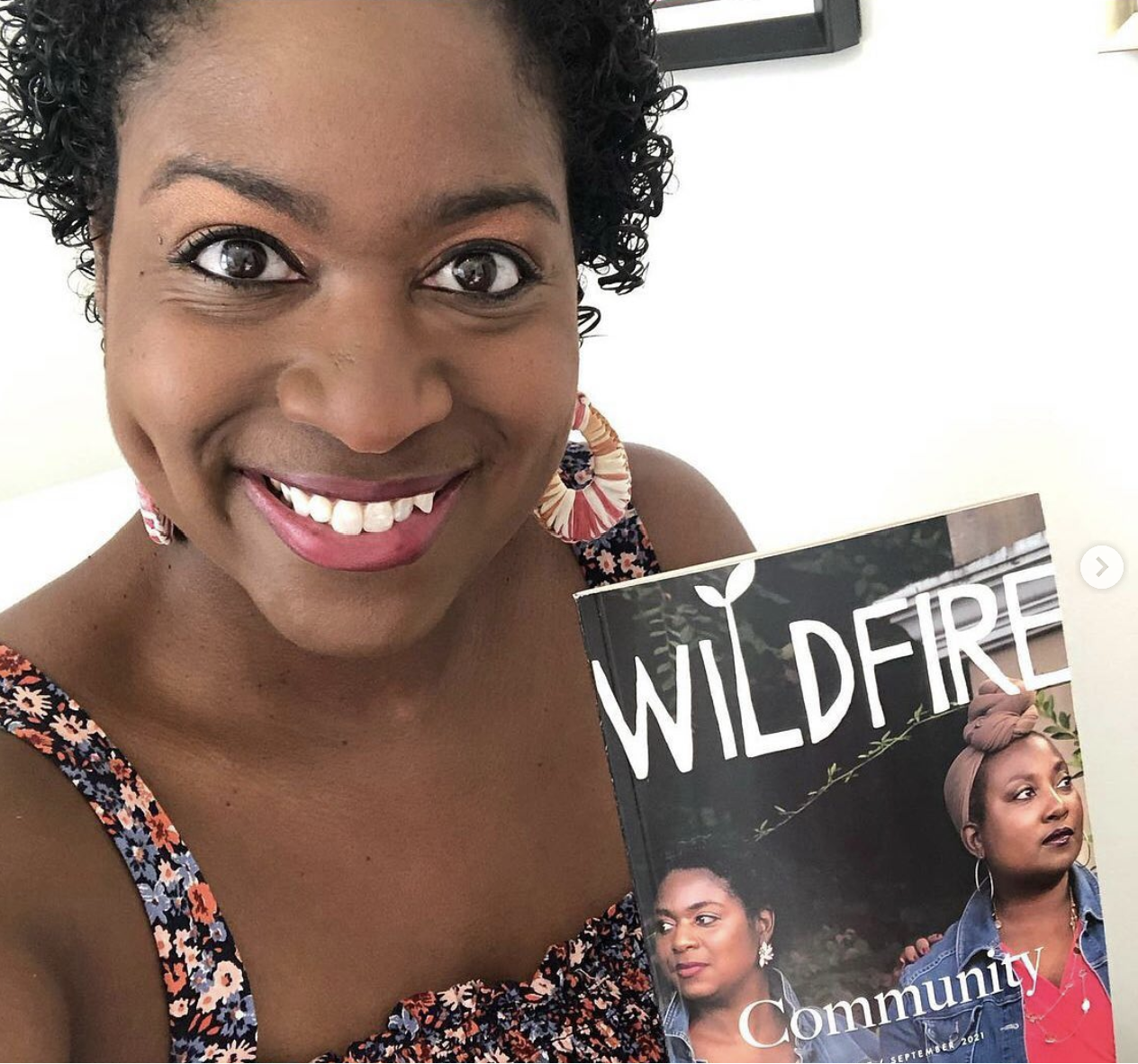
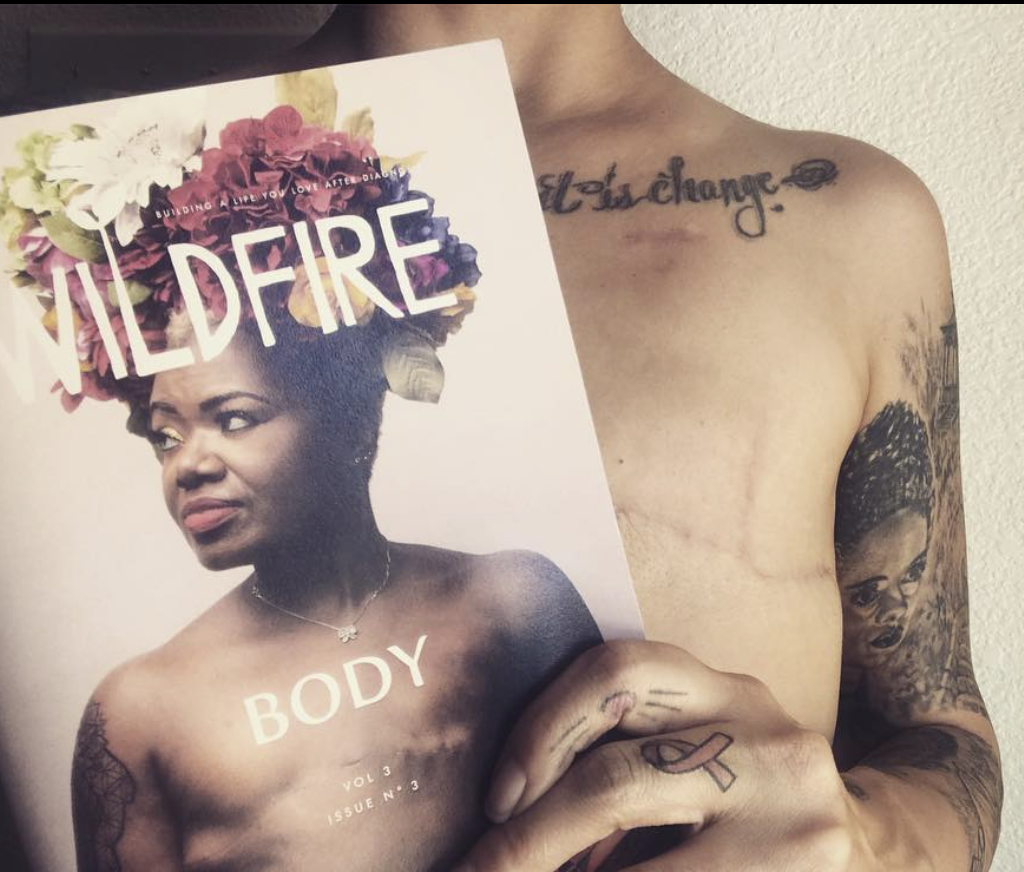
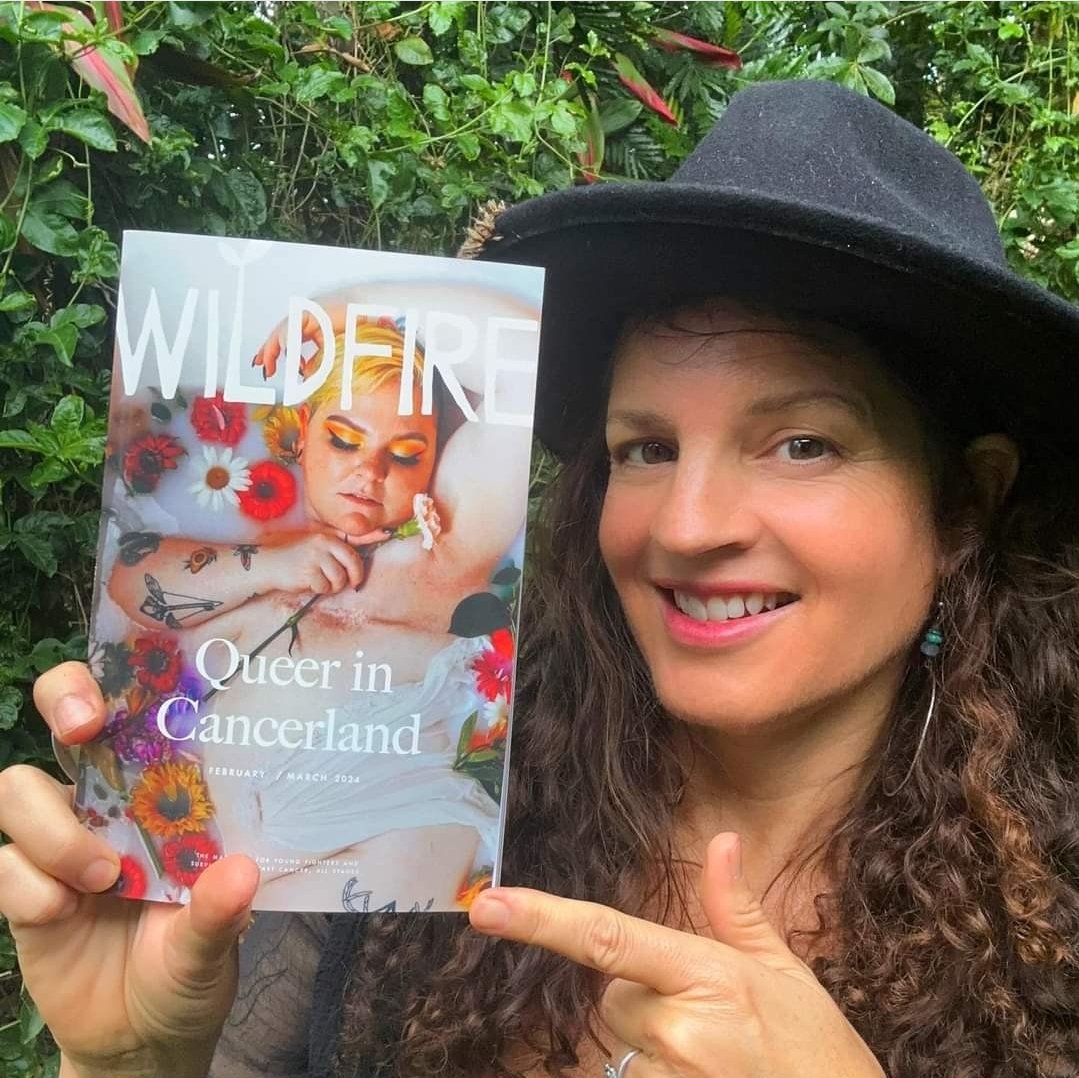
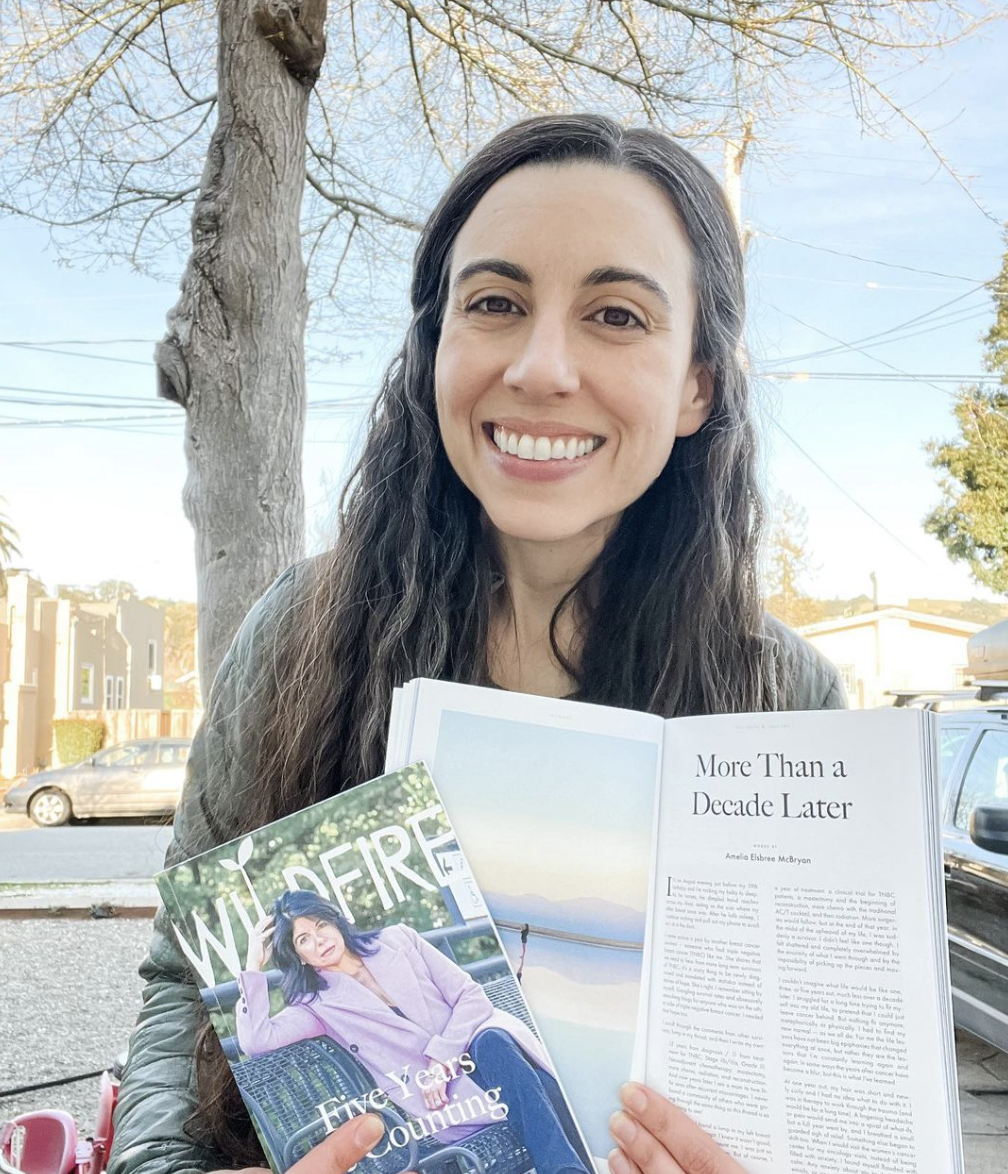
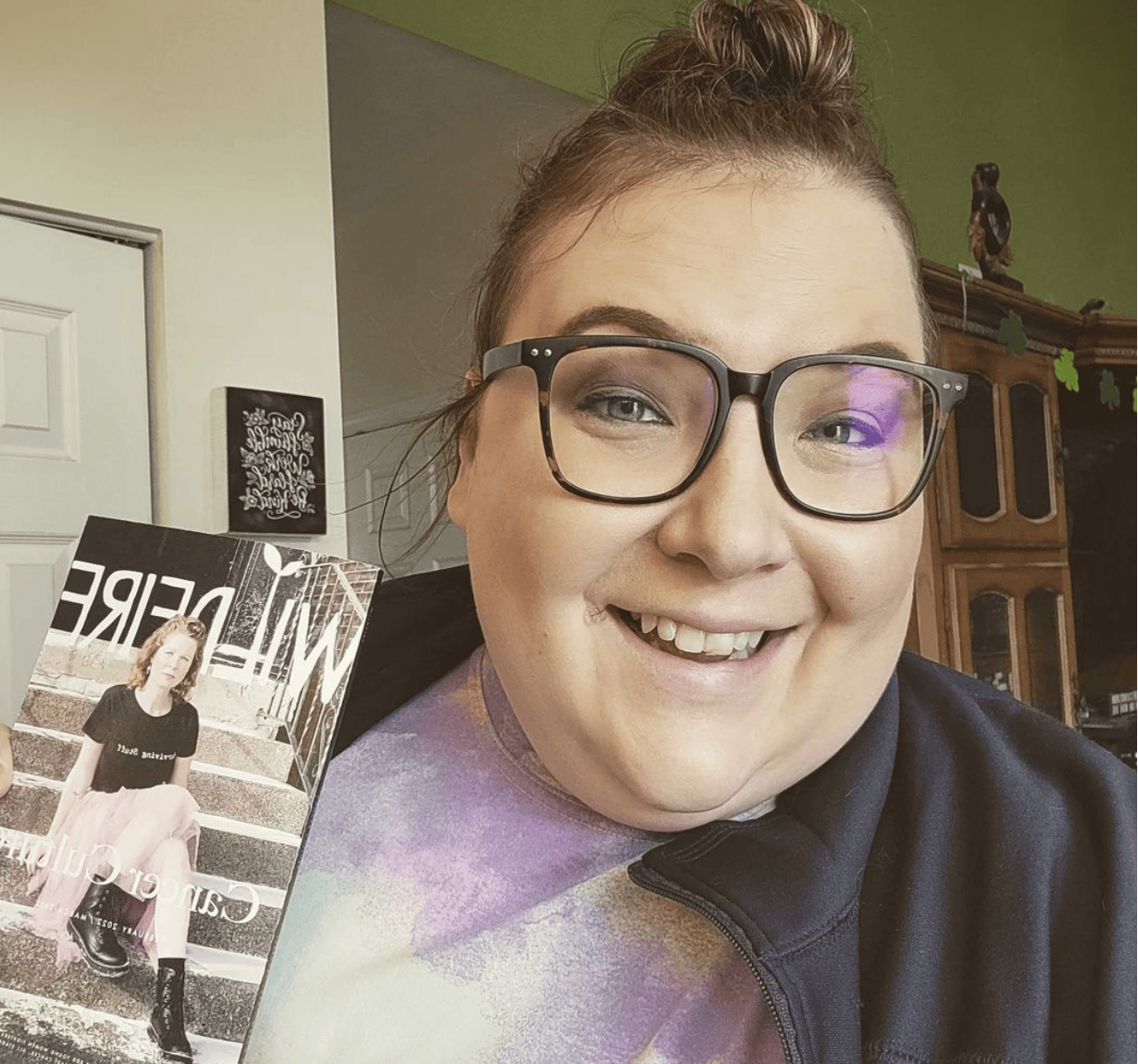
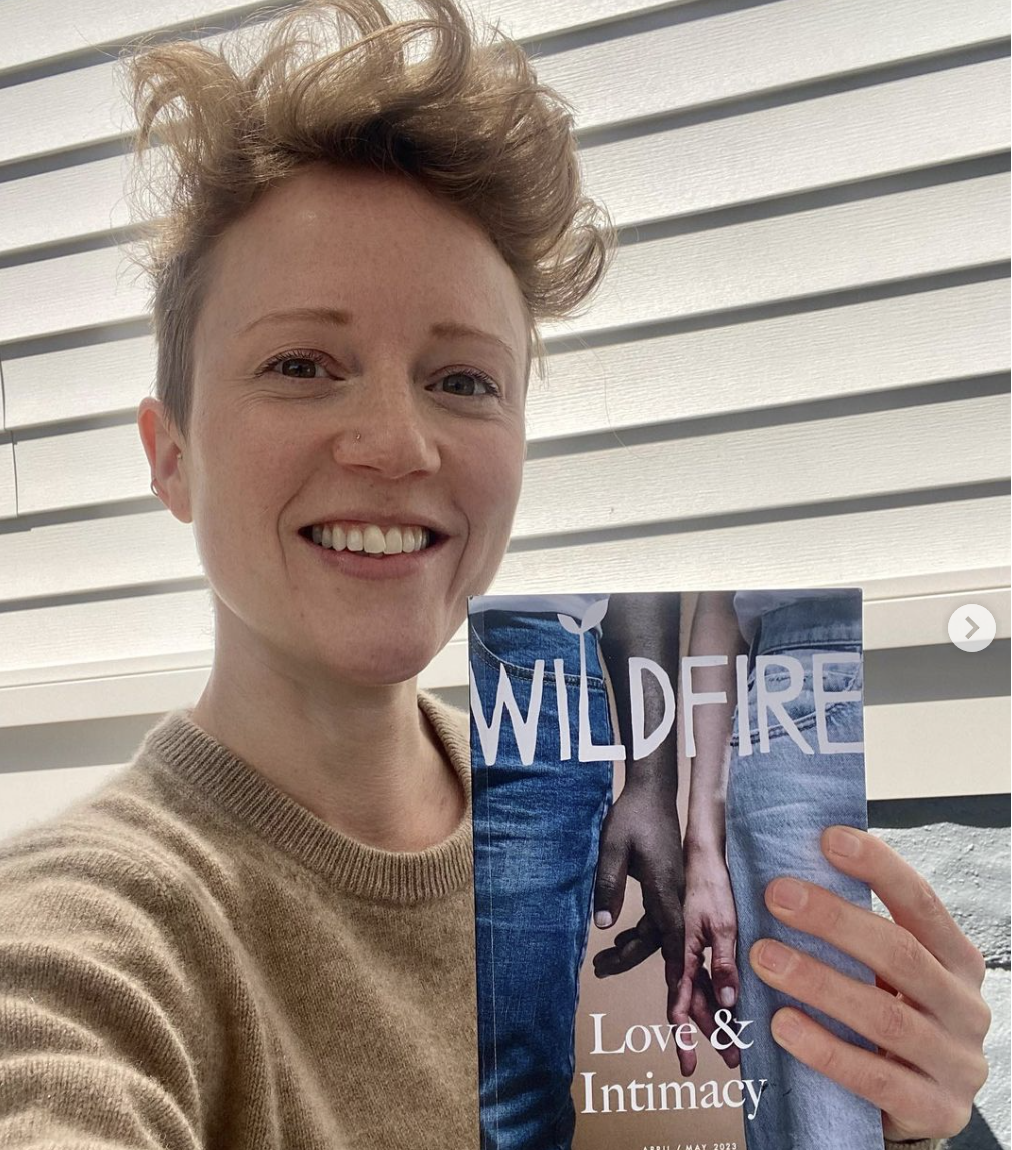
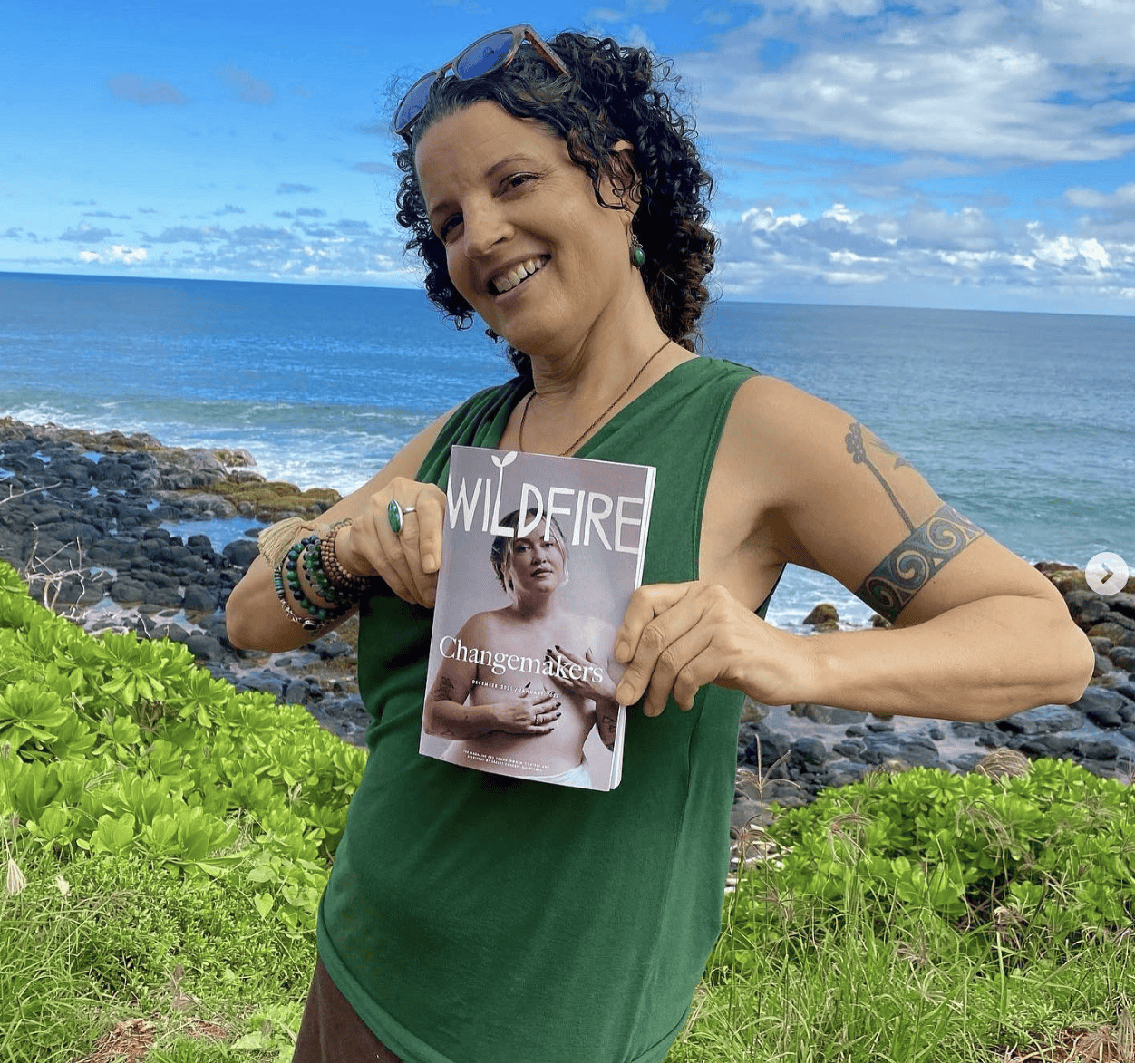
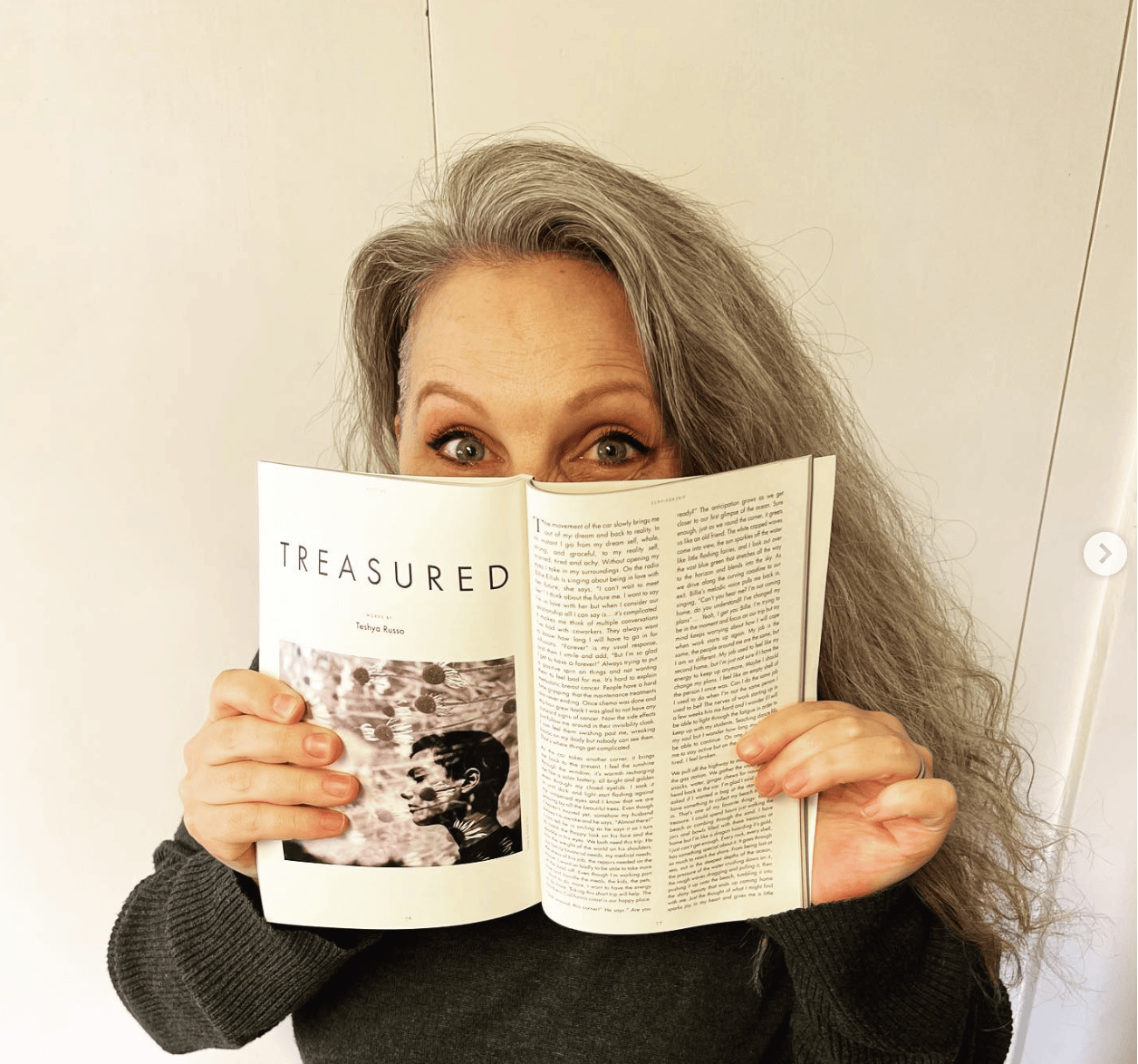
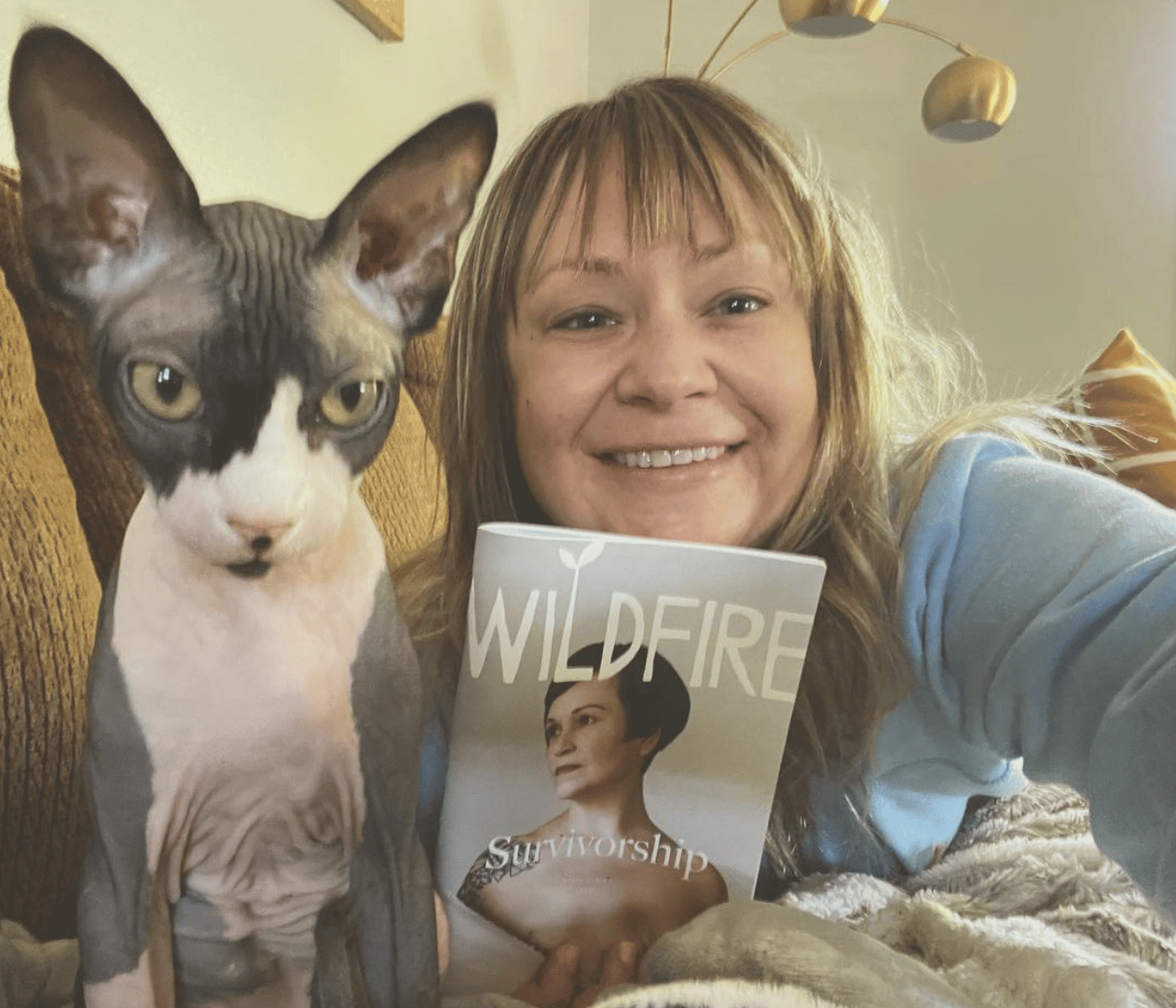
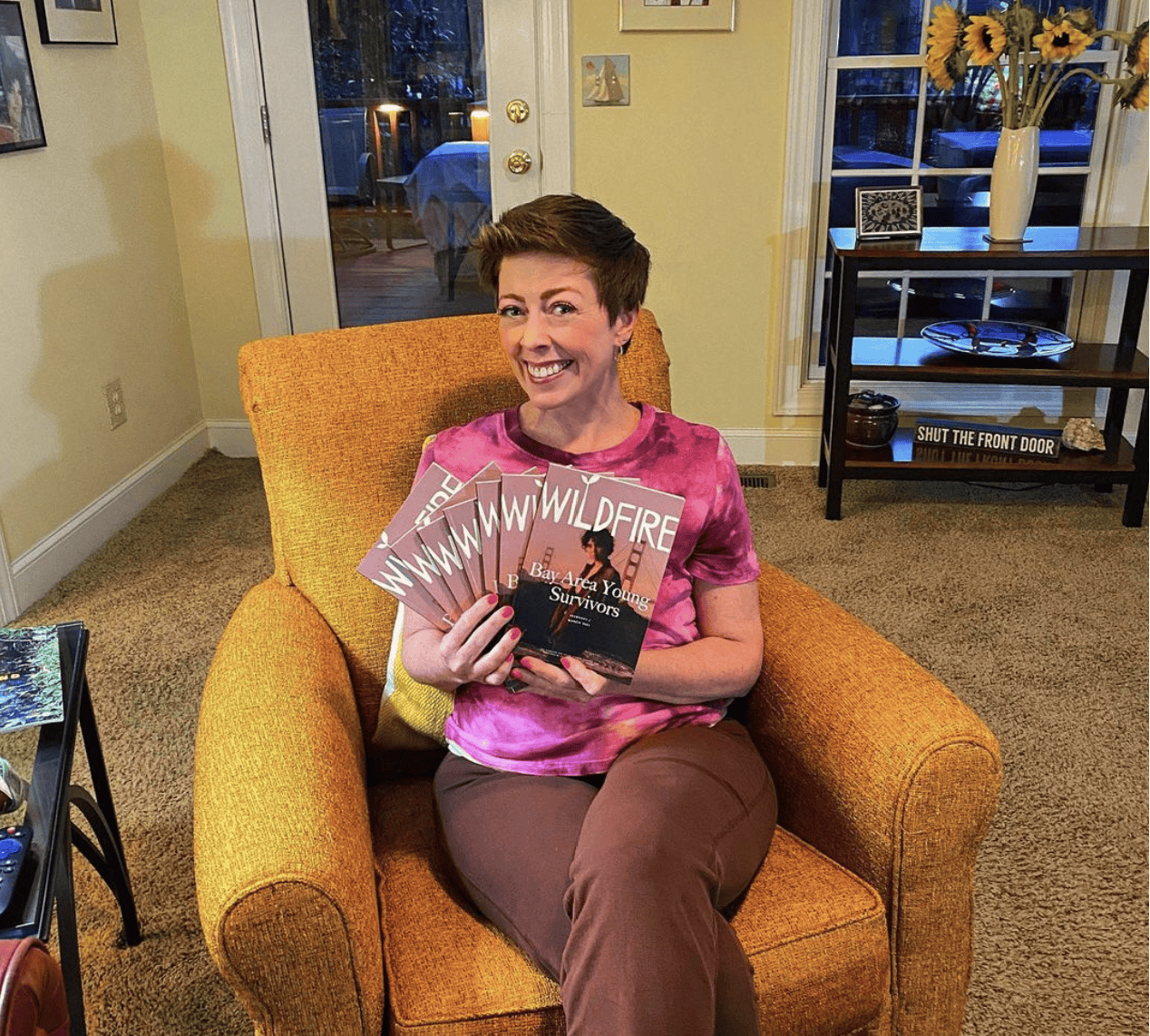
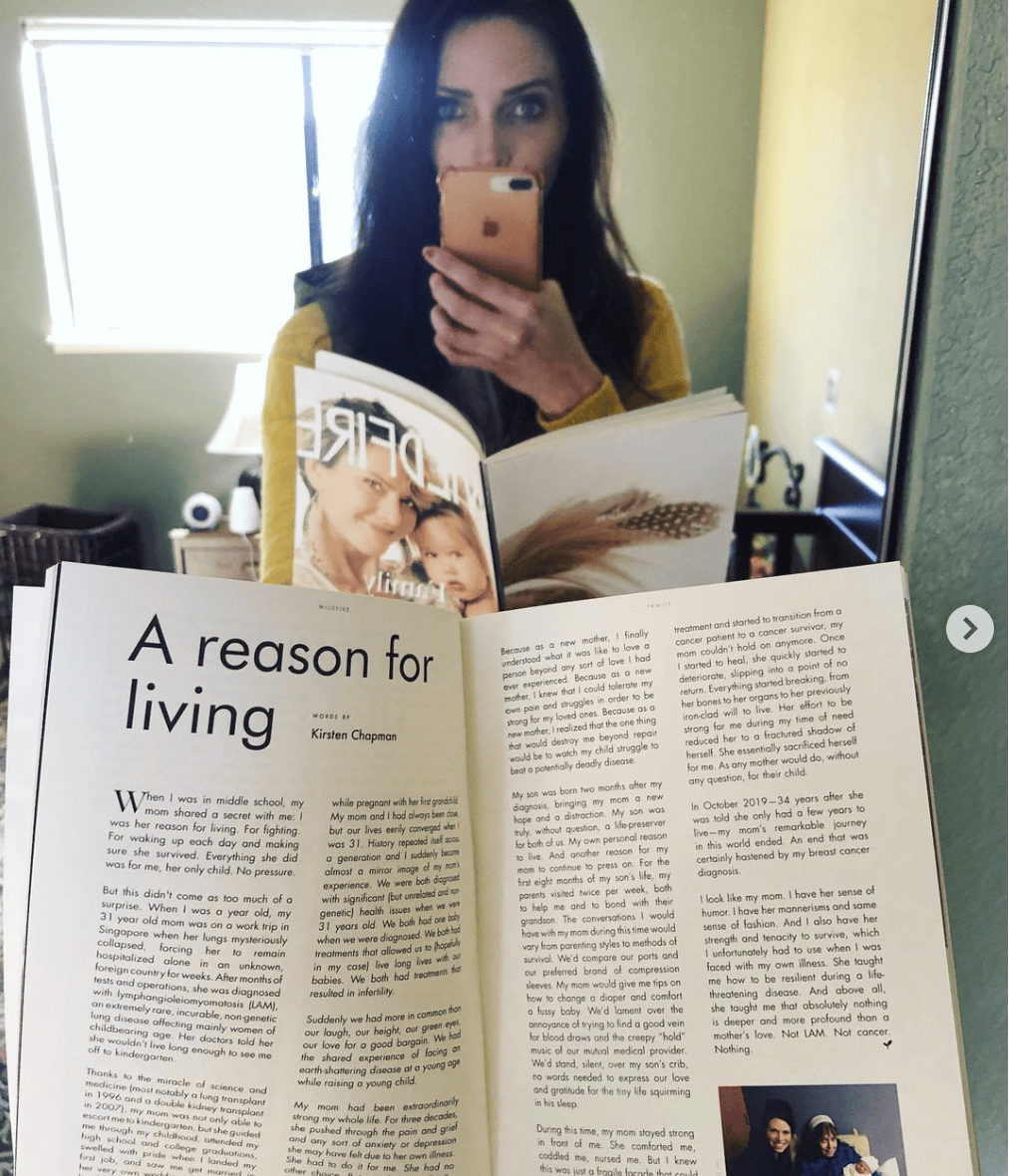
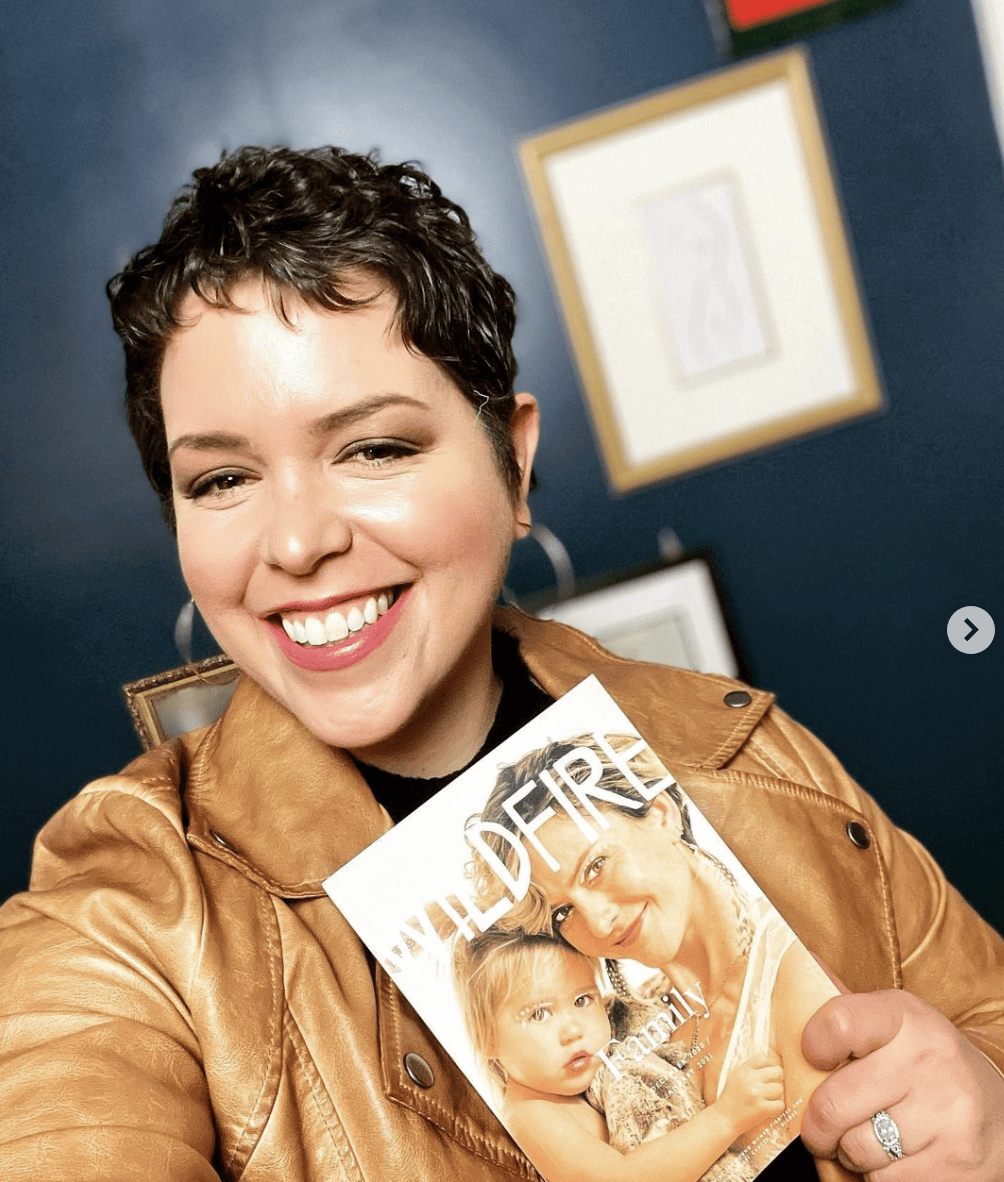
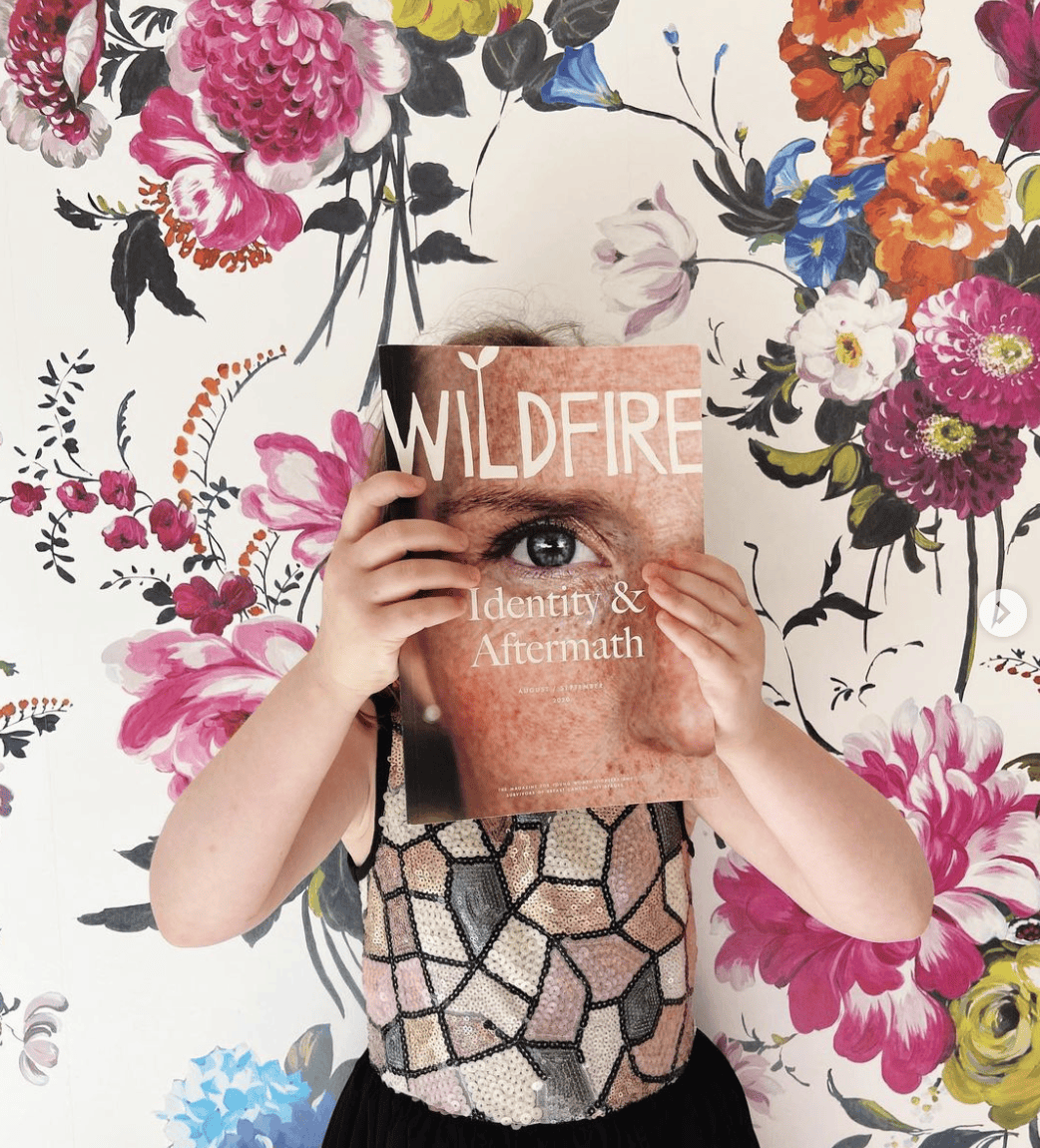
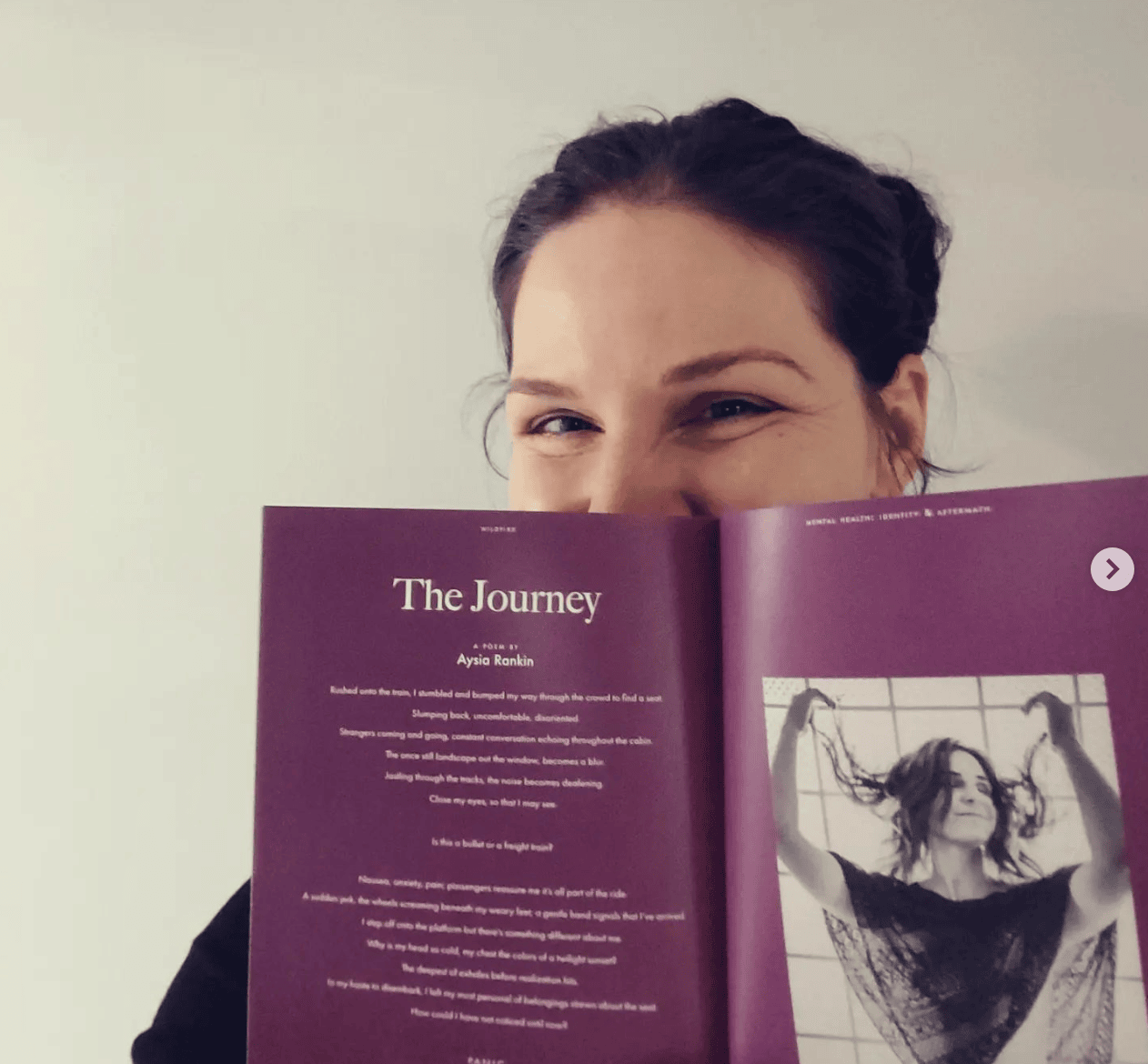
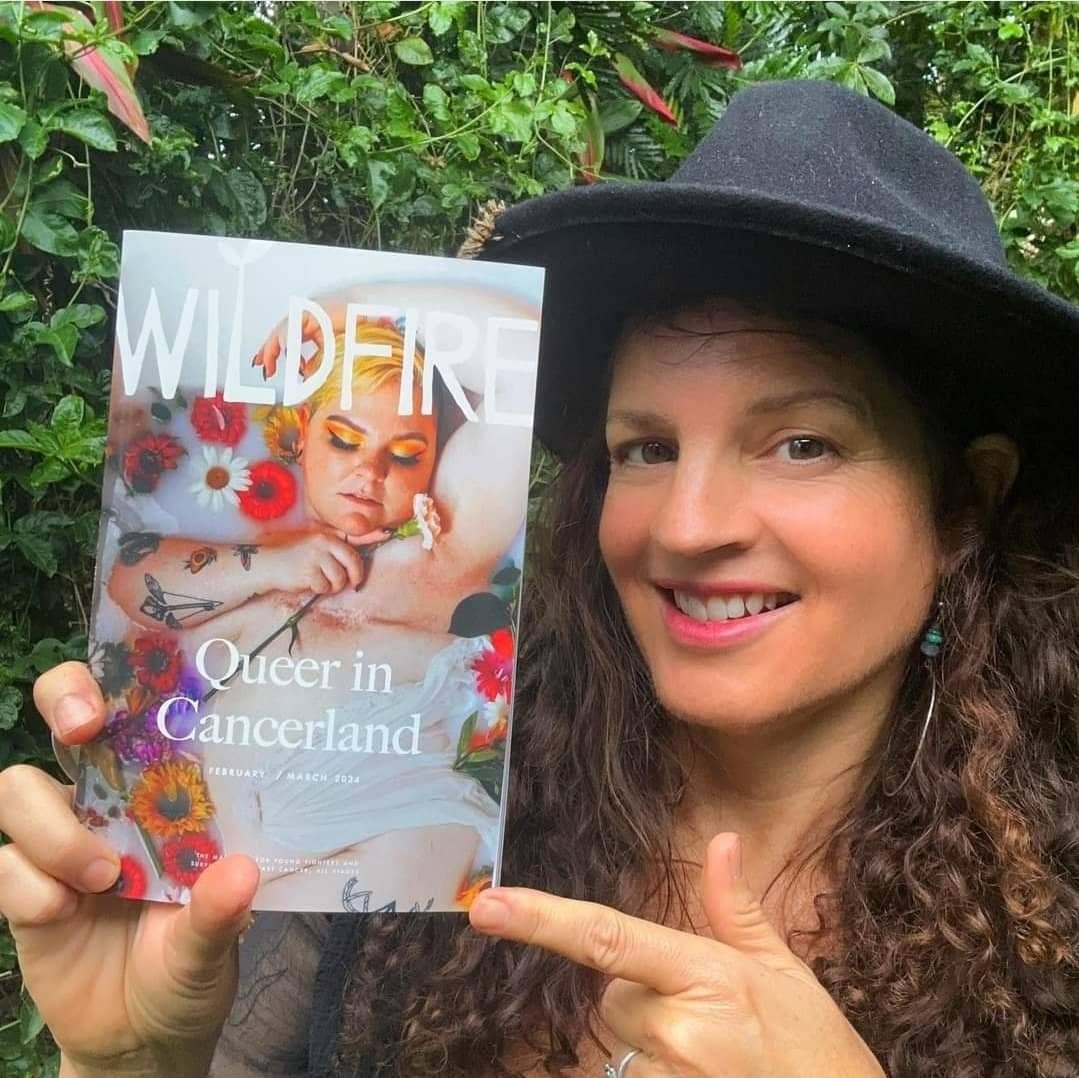
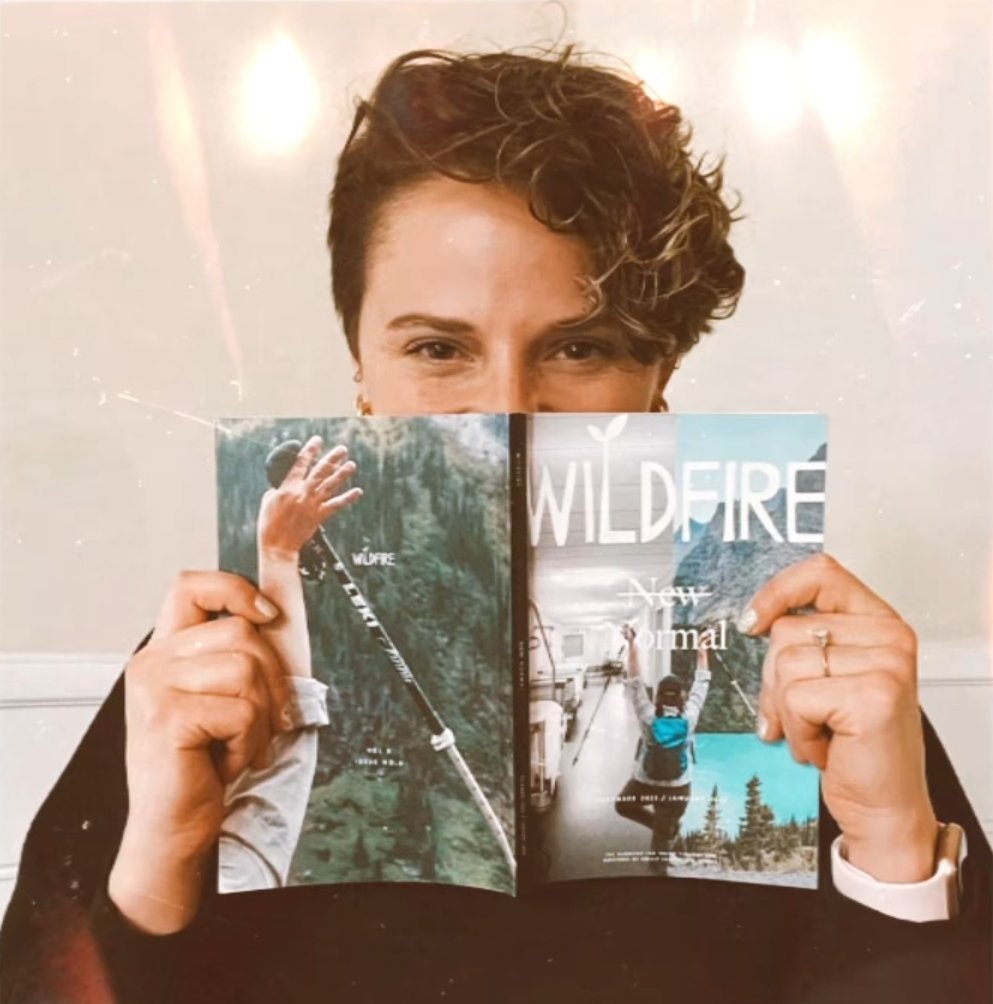
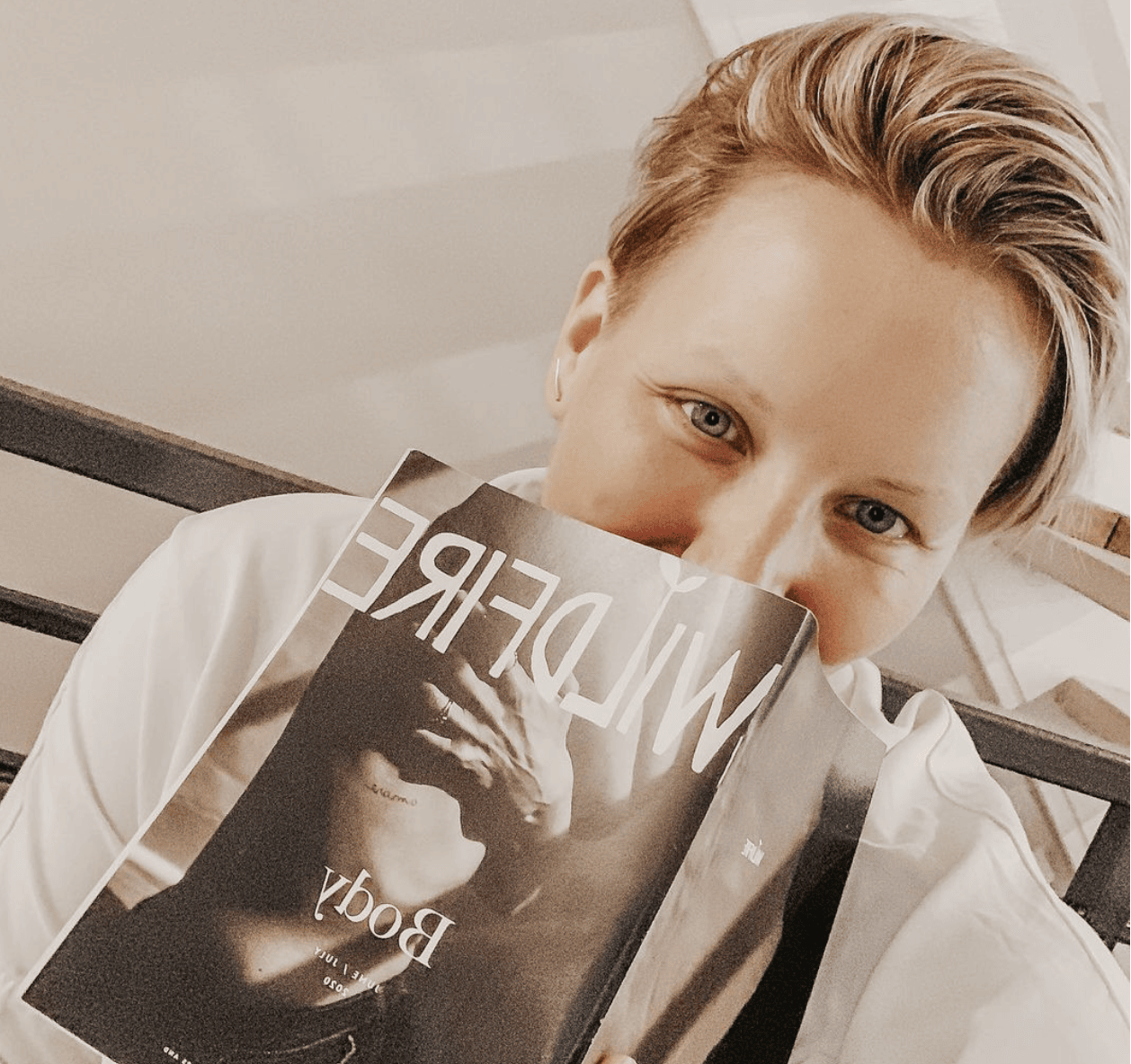
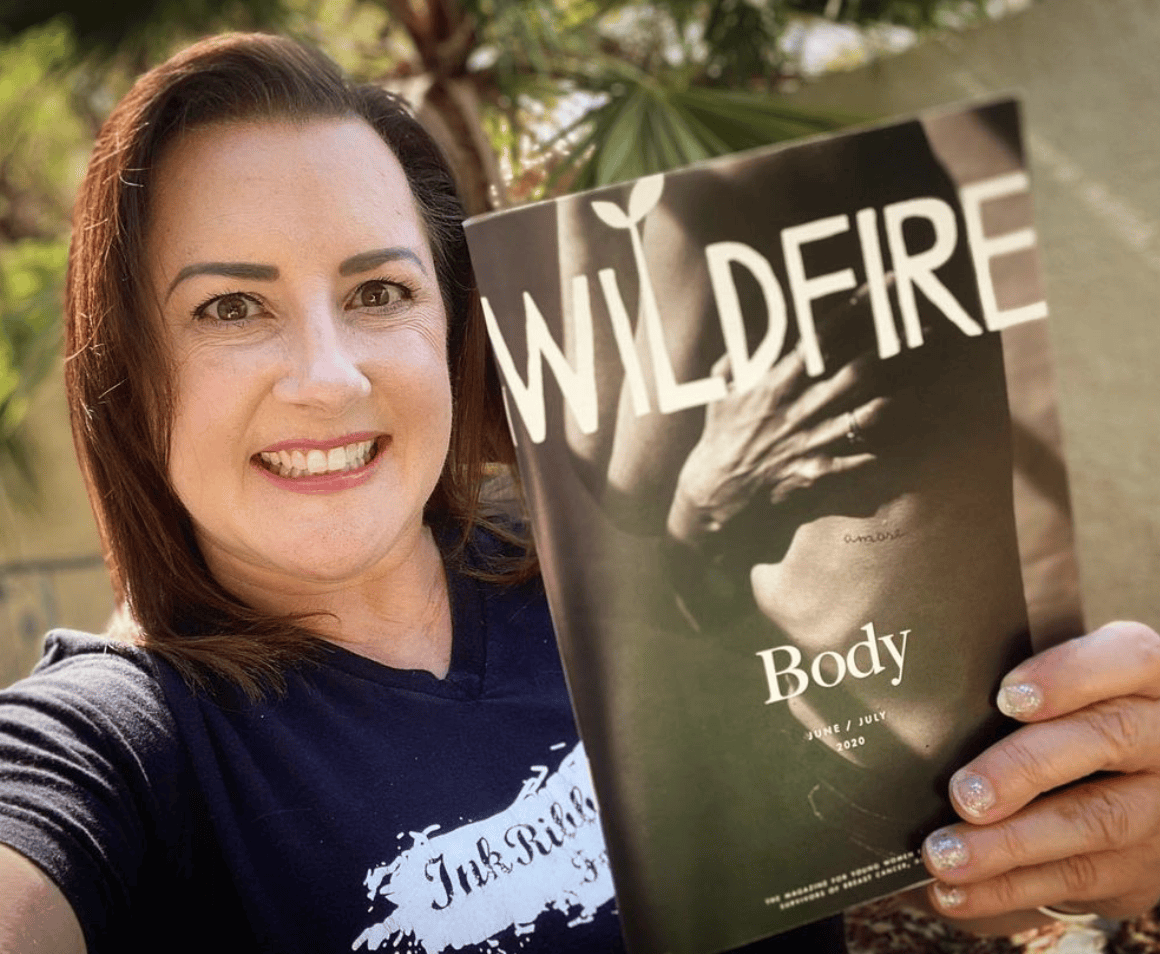
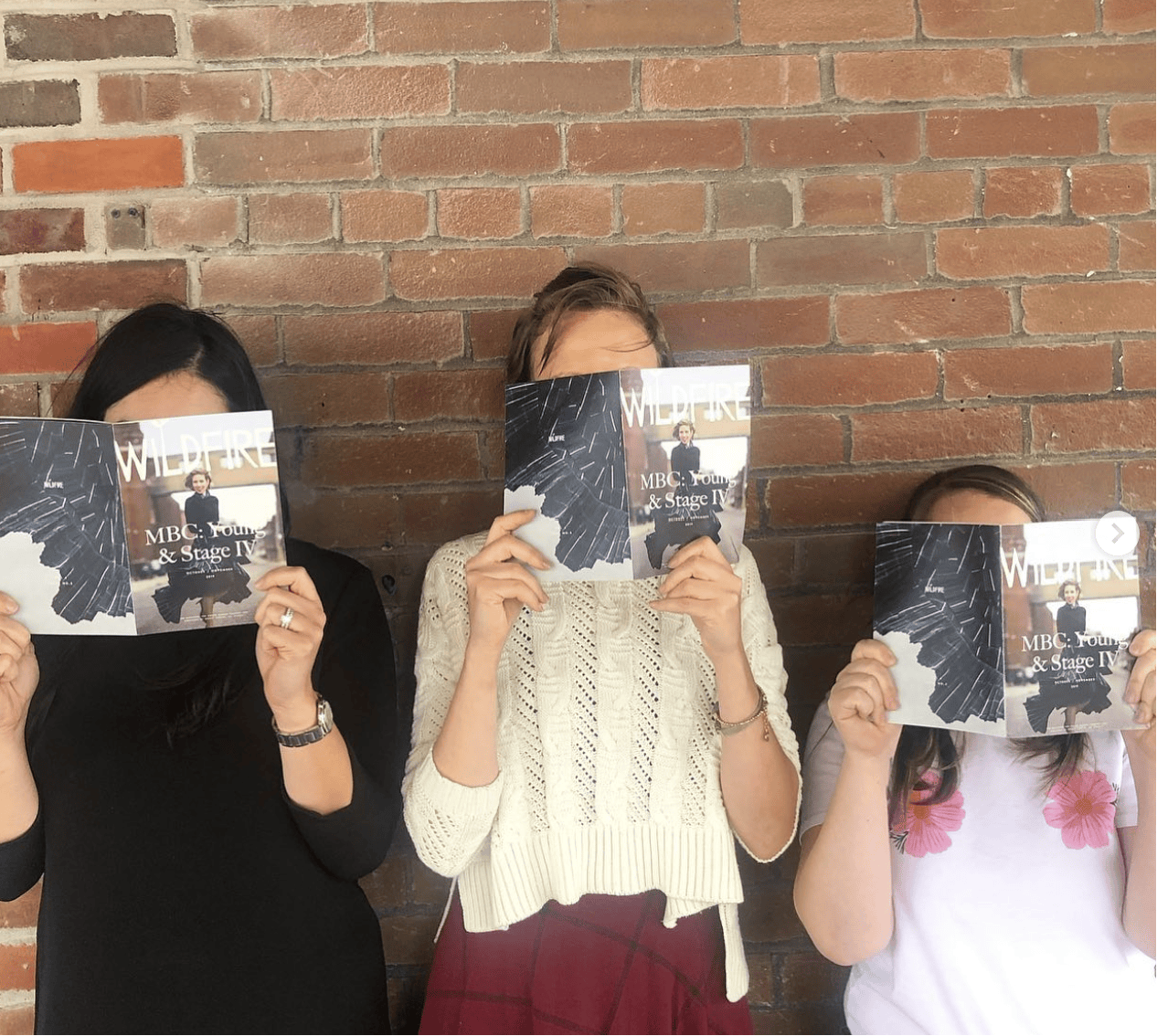
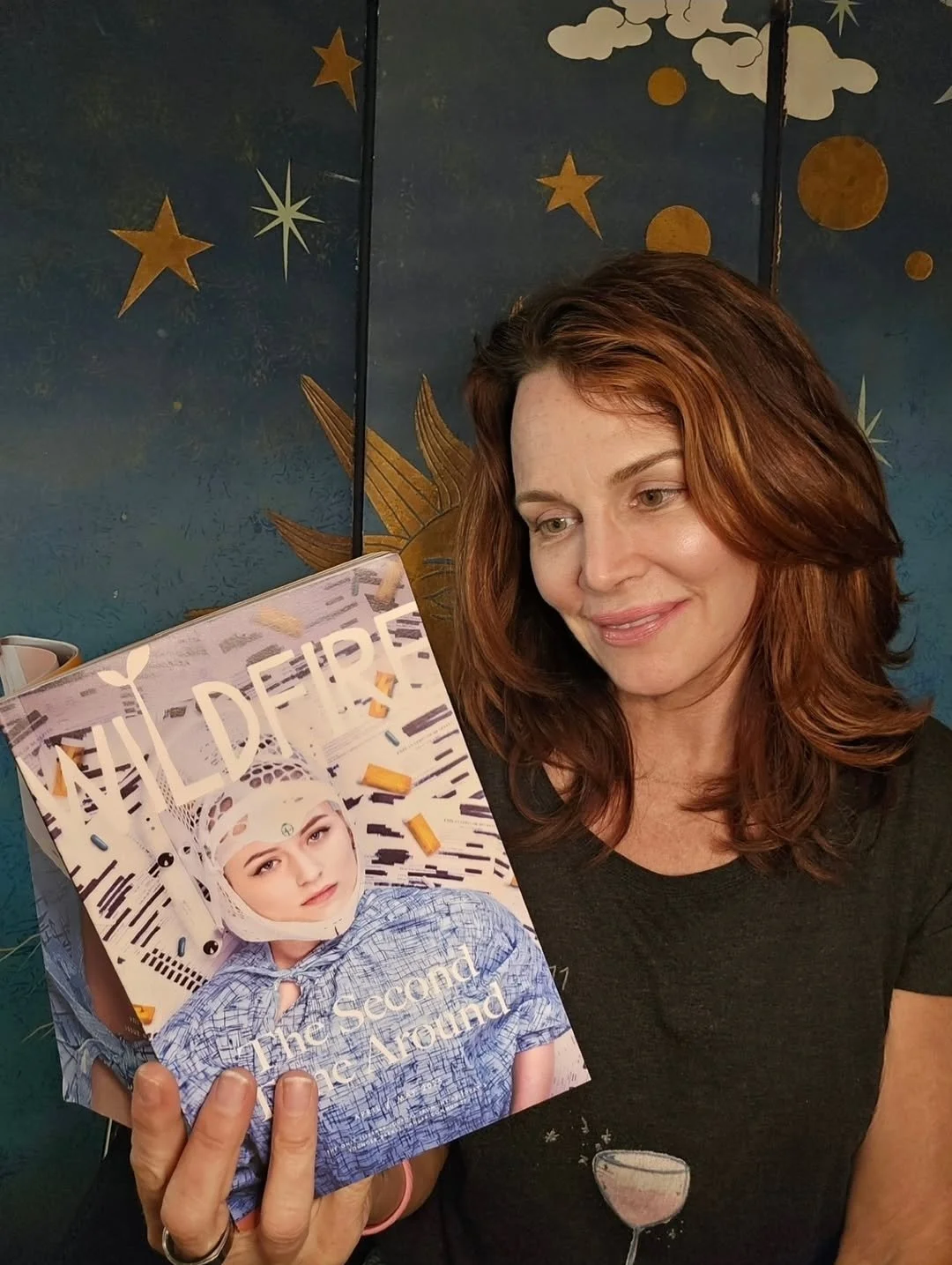
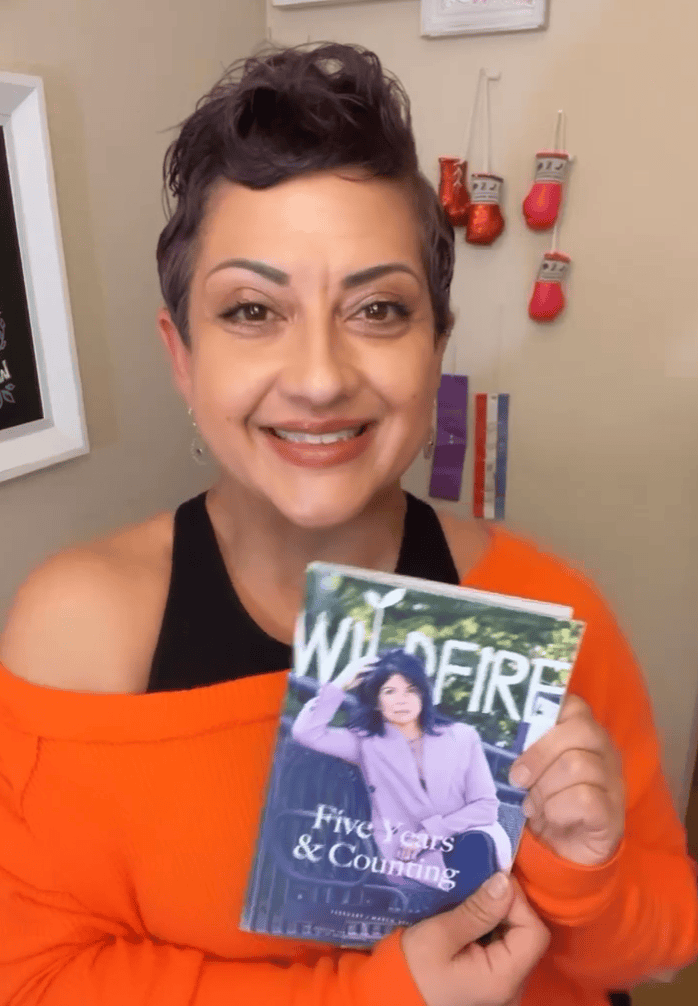
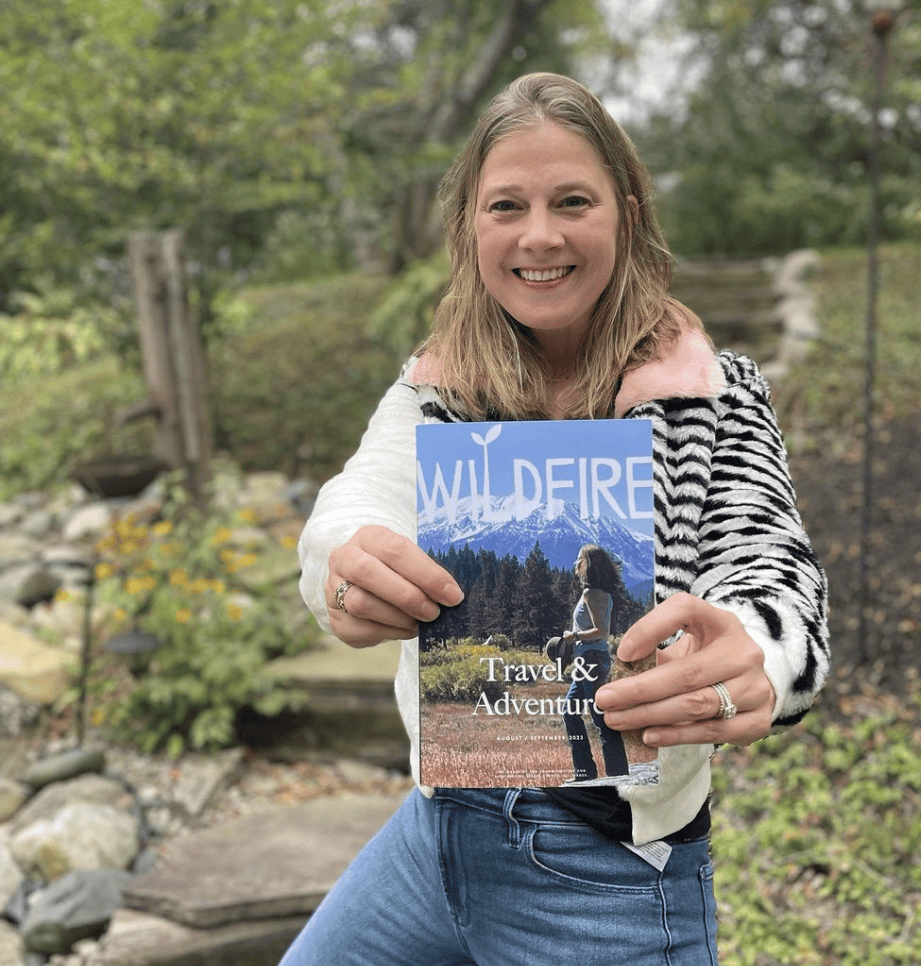
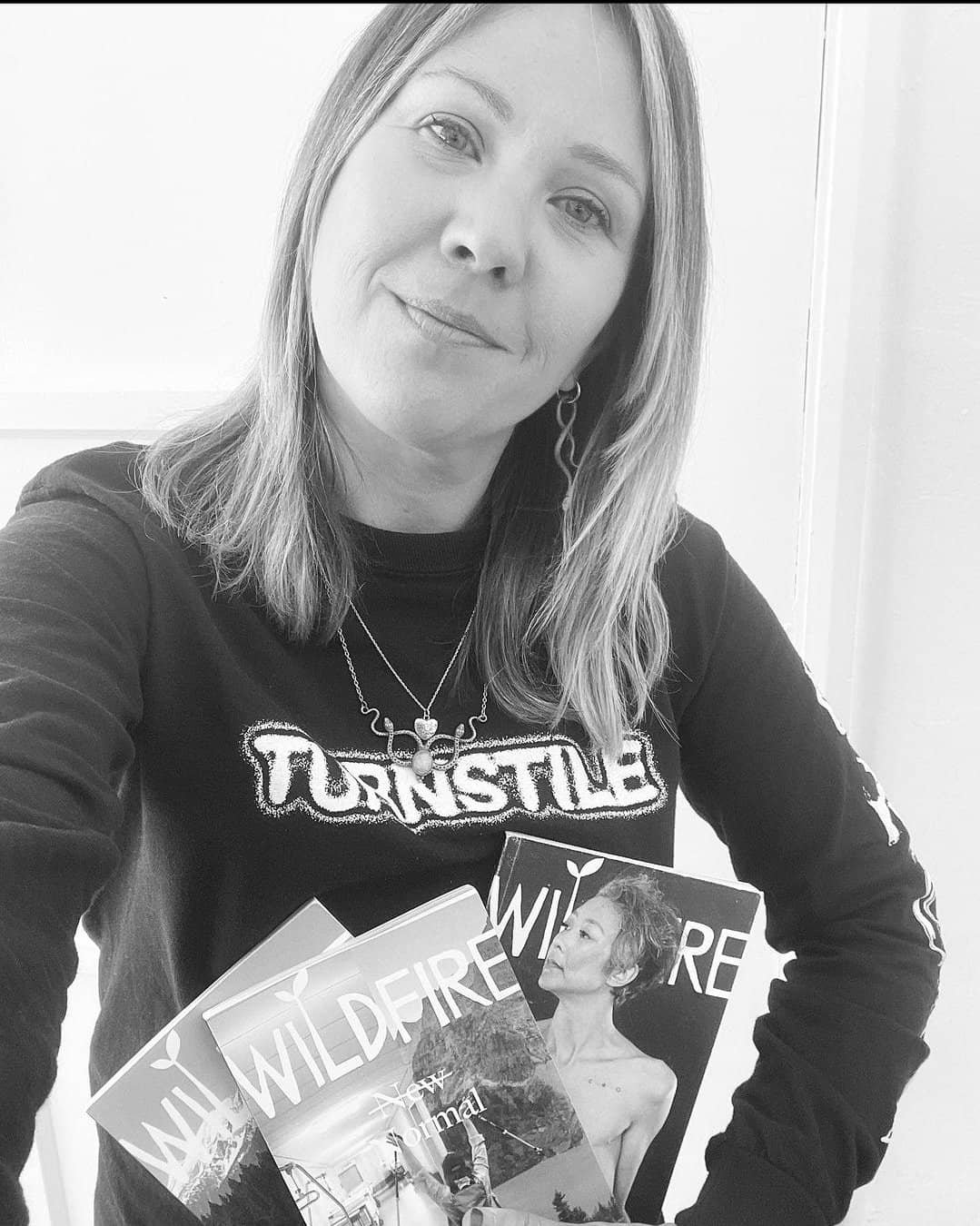


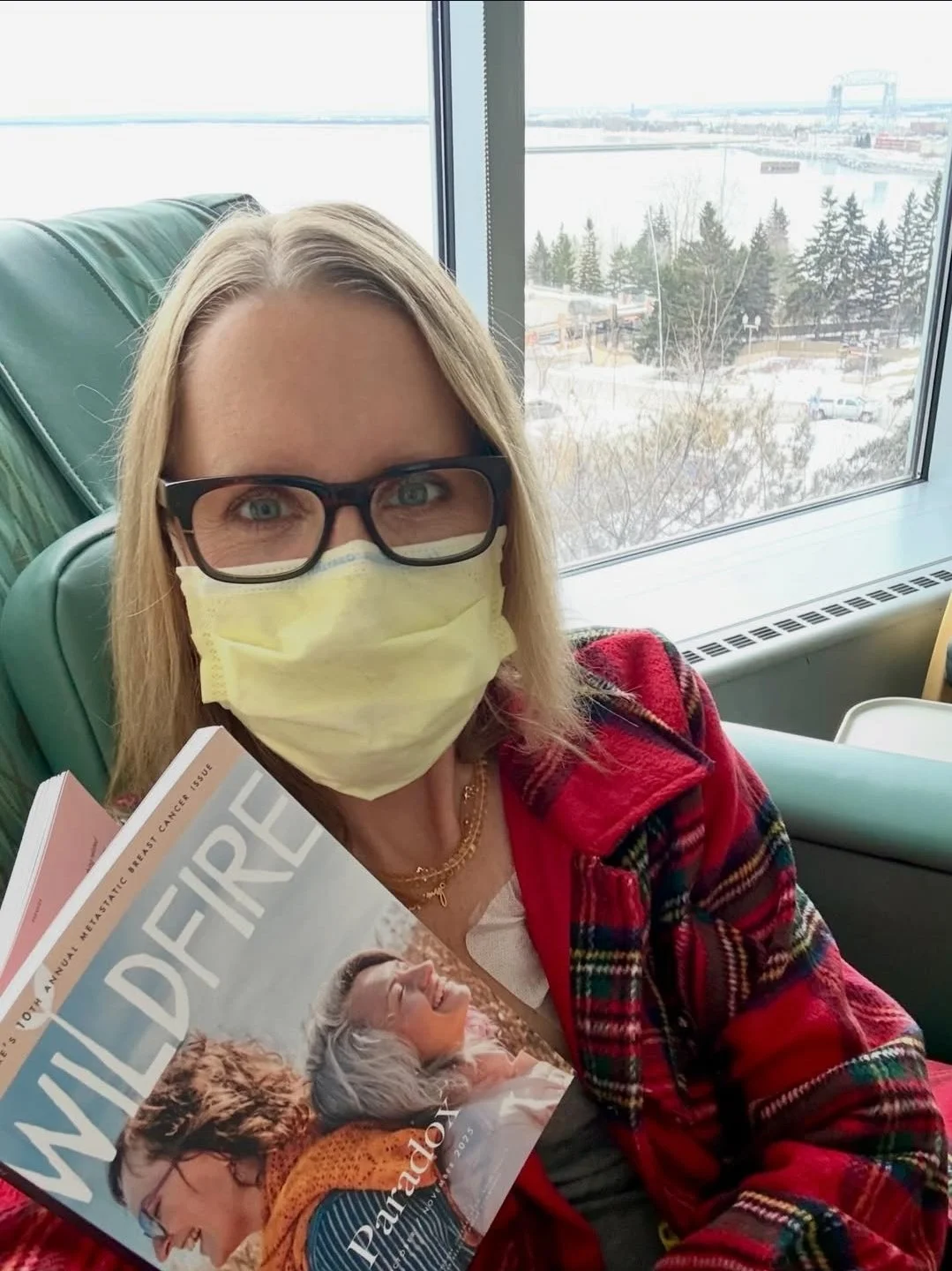
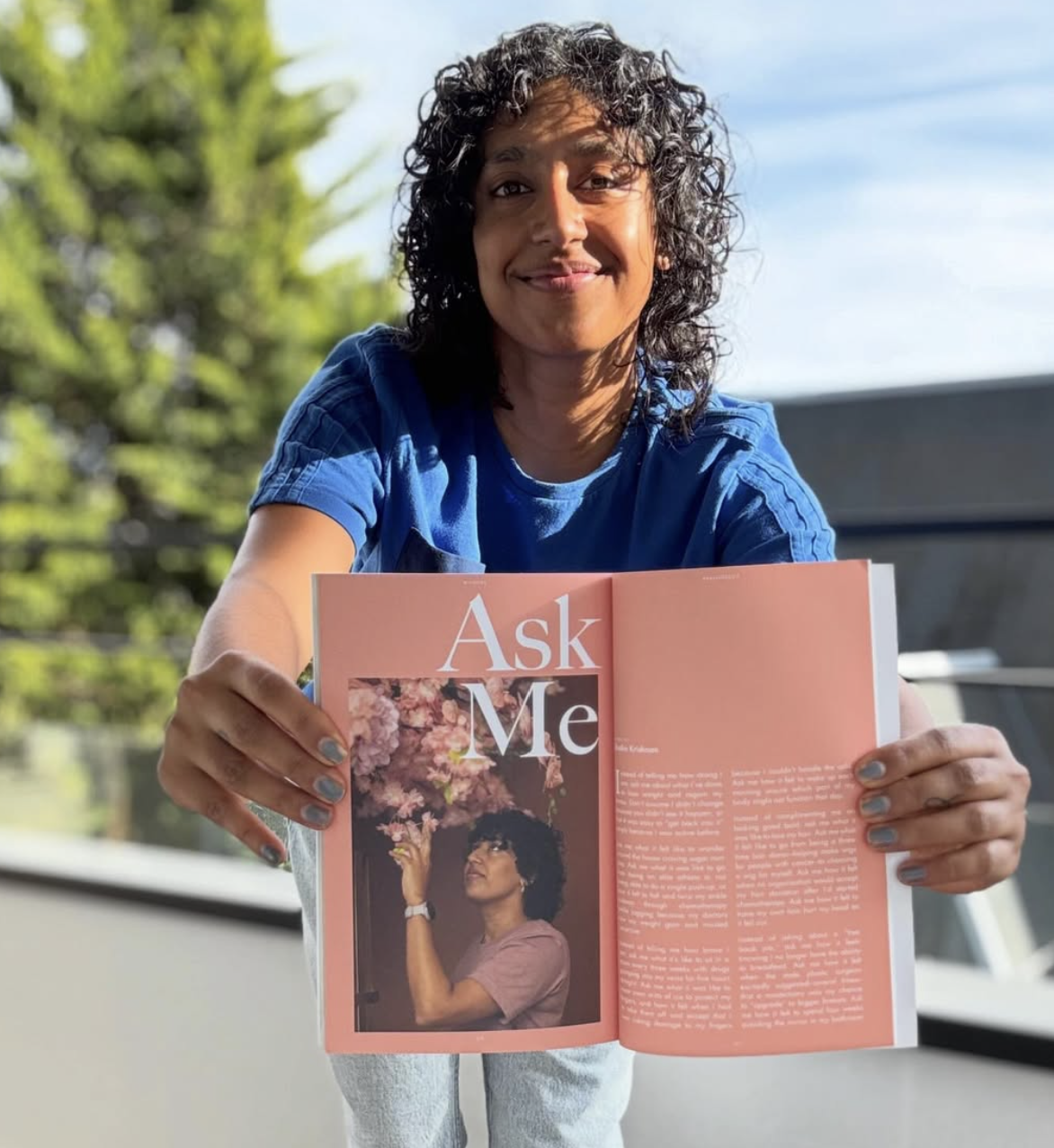
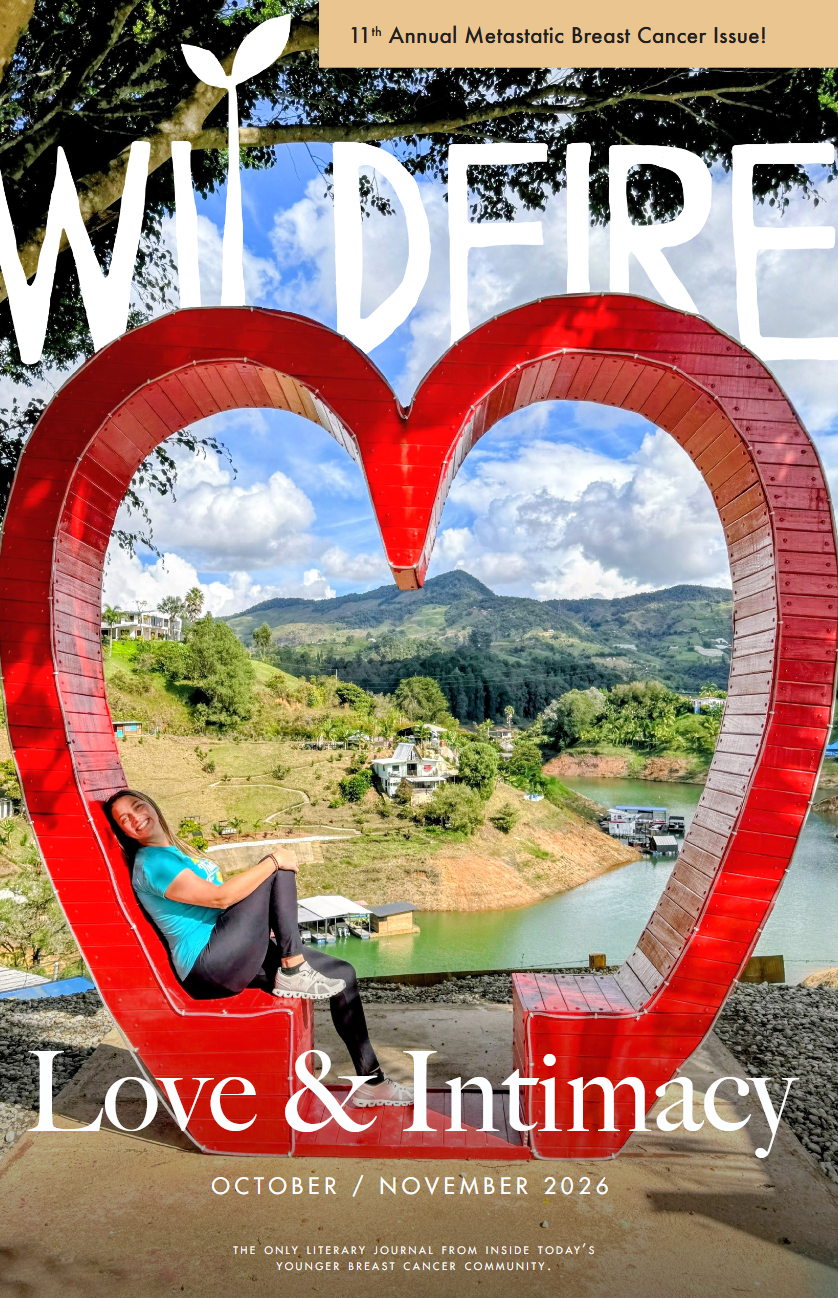
Sharing stories of hope since 2015.
You want to know how to move forward after a breast cancer diagnosis.
You want to know how to trust your body again.
You want to know you’re not alone.
You’re in the right place.
Our belief is that stories are the bridge to healing. Reading the stories of others diagnosed on the younger side (premenopause and/or 50ish and below), provides a much-needed community and support network. When you are ready, we hope you will write your story as well.
Read Featured Stories From Our Pages

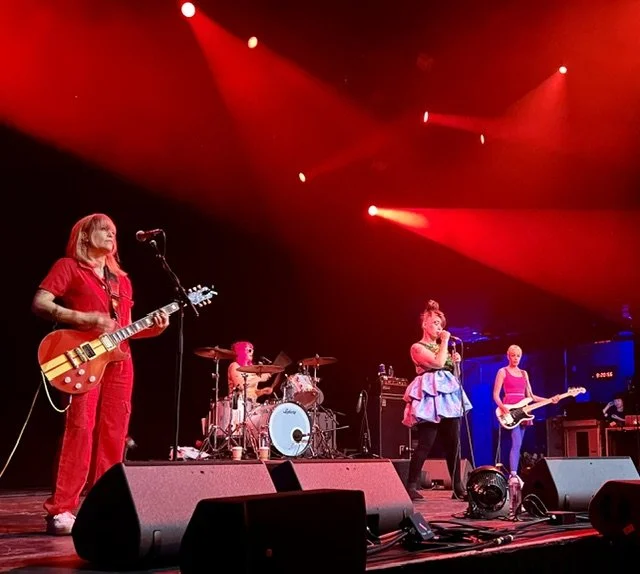



The Writing Community
An opportunity for everyone to find their voice and tell their personal story — whether you’ve never picked up a pen or are ready to (finally!) write your book. We help you learn to tell your own story to the people experiencing a diagnosis behind you. This has the dramatic effect of turning a traumatic cancer experience into an empowering one!
Pop Up Workshops
In-Person Retreats
Expressive Writing with Prompts
Heal Through Memoir
Creative Collaborations
Write for the Journal
Telling our stories can be the difference between a difficult cancer experience being traumatic and a difficult cancer experience being empowering.
— April Stearns, Founder & Editor-in-Chief, diagnosed with breast cancer at age 35
Learn more about Wildfire, how it got started, and meet the team.
The Podcast

Be Heard.
Come for the stories; stay for the inspiration to write your way back to yourself.
As Featured On


My stomach sank a little every time the numbers changed on the outdoor temperature screen. I was excited about the trip, but I was dreading leaving the air-conditioned bus. My boyfriend and I were heading south to meet with friends for a weekend of camping and swimming, a tradition stretching back more than 20 years that I was determined not to miss. At least that was the plan.
The white and yellow houses announced our destination, a village on Alentejo’s coast. I stepped out of the bus, and the hot dry air filled my lungs and burned my skin, triggering a hot flash that radiated to my now crimson face. We were in the middle of a heatwave, and it was my first post-menopausal summer.