
Emergency Contact

Sunnyside is a hive of activity on Wednesday evenings in the summer. Upbeat music, shouts, and cheers echo from the beach volleyball courts. Children splash along the shoreline. Dragon boat paddlers chatter excitedly on their way to and from practice. Locals take it all in as they stroll along the boardwalk or relax with friends at the beachside restaurant. The skyline of Canada’s largest city dominates the horizon to the east, but where we are doesn’t really feel like Toronto at all.
I’m here with the paddlers. At 39, I’m one of the younger members on this intergenerational team. Spanning every decade from our 30s to our 90s, our common bond is that we are all breast cancer survivors. Tonight, 40 of us will fill two boats. Outside of paddling, the only other time I’ve been surrounded by this many survivors was in the chemo ward three years ago. It feels like another lifetime now.
As we load the boats, my teammate on the bench behind me taps my shoulder and reminds me that I still need to fill out the waiver for our upcoming regatta. We meet in the locker room afterward, tired and sweaty, yet invigorated by a sense of camaraderie that grows with each practice as we learn to stroke together. She hands me a clipboard organized in several columns: First Name, Last Name, Signature—easy
Then my eyes hit the next box: Emergency Contact.
I pause, the pen hovering. Years ago, a friend going abroad asked me to be her person because she trusted me to be calm under pressure. I know what it means to be a reliable anchor for someone else. But designating an emergency contact for myself on this routine sports waiver makes my mind flash to all the paperwork I filled out at the cancer center.
Oliver and I had only been dating for two months when I got diagnosed. Throughout my treatment, well-meaning acquaintances kept asking my mum if he was “still around,” trailing off into demoralizing anecdotes about partners who packed their bags when things got hard. That fear took up residence in a quiet corner of my mind, next to questions about chemo and surgery and whether or not I should delay treatment to pursue fertility preservation. In the oncology clinic, the curated calm aesthetic did little to mask the sense of dread that came with the crinkle of exam table paper. In that space, listing my brand-new boyfriend as my emergency contact felt far too risky. It seemed like a foolish gamble on an uncertain future. I chose the safe option and wrote down my parents’ names instead: a tactical decision where I wouldn’t have to rely on a bond that hadn’t yet been tested.
But survival mode is a hard habit to break, even when active treatments end and the daily routine of hormone therapy begins.
I look down at the clipboard in the locker room, the smell of lake water and sweat permeating the air. Three years later, Oliver is still here. In fact, we’re married now. I think of how we stood in front of our families last autumn, vowing to love each other in sickness and in health. I think of him rubbing my back as I retched during treatment, and grin as I remember him cheering for our dragon boat team so loudly at a regatta that the race officials had to tell him to shut up. Writing his name down on the waiver is a line in the sand: an eviction notice for that old fear. To write Oliver is to affirm that I am planning a future; that I’m letting go of the hyper-independence that got me through diagnosis and embracing the messy, beautiful reality of leaning on someone else.
I firmly write Oliver in the box. In the relationship column, I write Husband.
I hand the clipboard back to my teammate, gather my life jacket and paddle, and head out to the boardwalk. The sun is setting, casting a soft amber glow across the water. The earlier chaos of the beach has faded, and the volleyball courts are quiet as the last few players roll up their nets.
My teammates wish each other goodnight. The waves are lapping gently on the shore, and the lights of the city begin to blink on the horizon. As I breathe in the cool evening air, I am genuinely, beautifully here.🌿
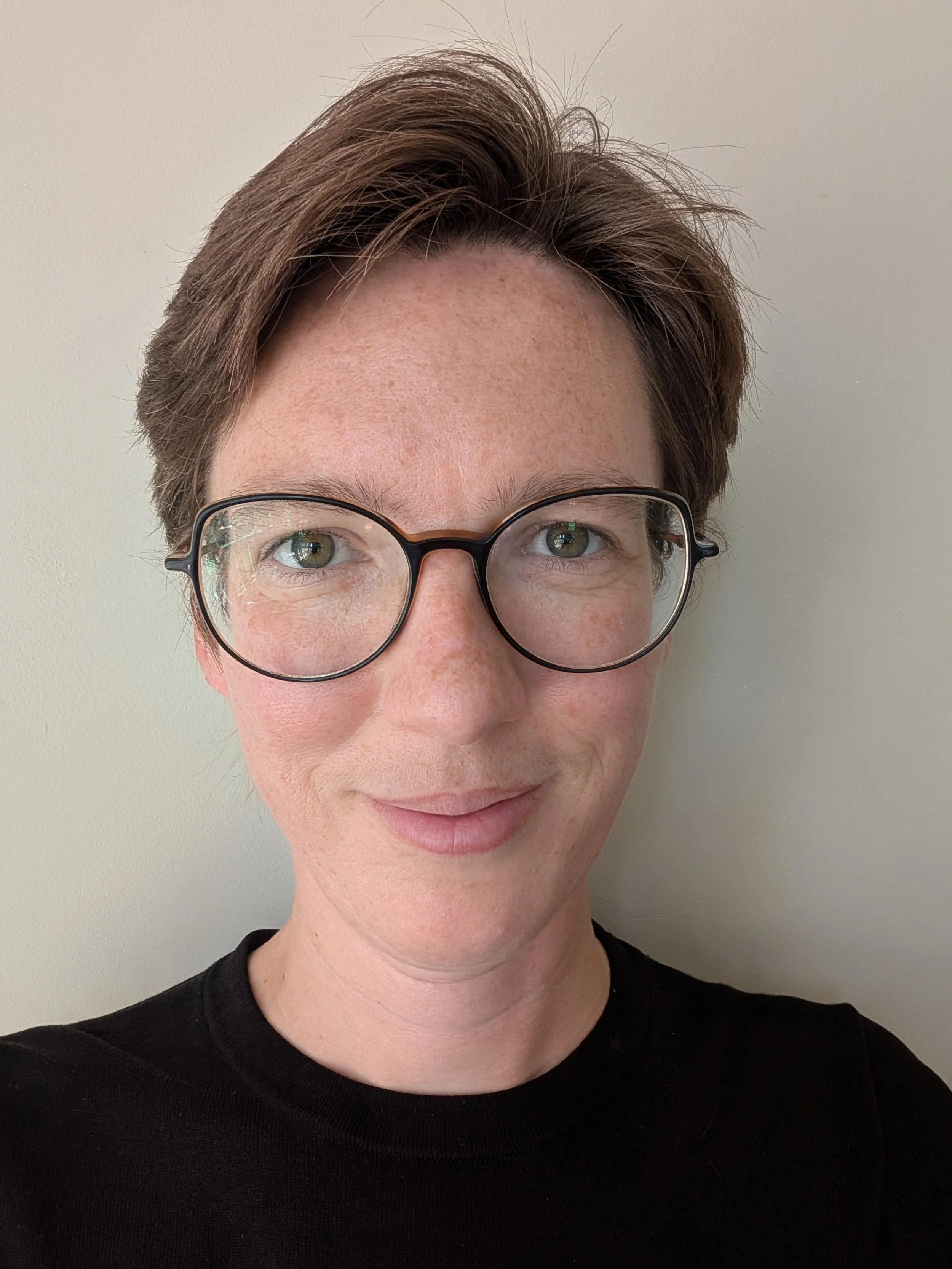
Claire Lemiski
Airline captain. Diagnosed at 36. IDC, Stage III, ER+, PR+. Current Lines of Treatment: Zoladex and Exemestane.
Despite her father also having breast cancer, Claire was “not considered high risk” and experienced a lengthy delay in her own diagnosis. She completed active treatment in October 2023. As a captain at a regional airline in Toronto, Ontario, Claire is passionate about providing mentorship to new and aspiring women pilots.
“Emergency Contact” is published in Wildfire Journal’s 2026 “Thriving” issue. Get the digital issue in our shop. Available in the subscribers’ library as well.